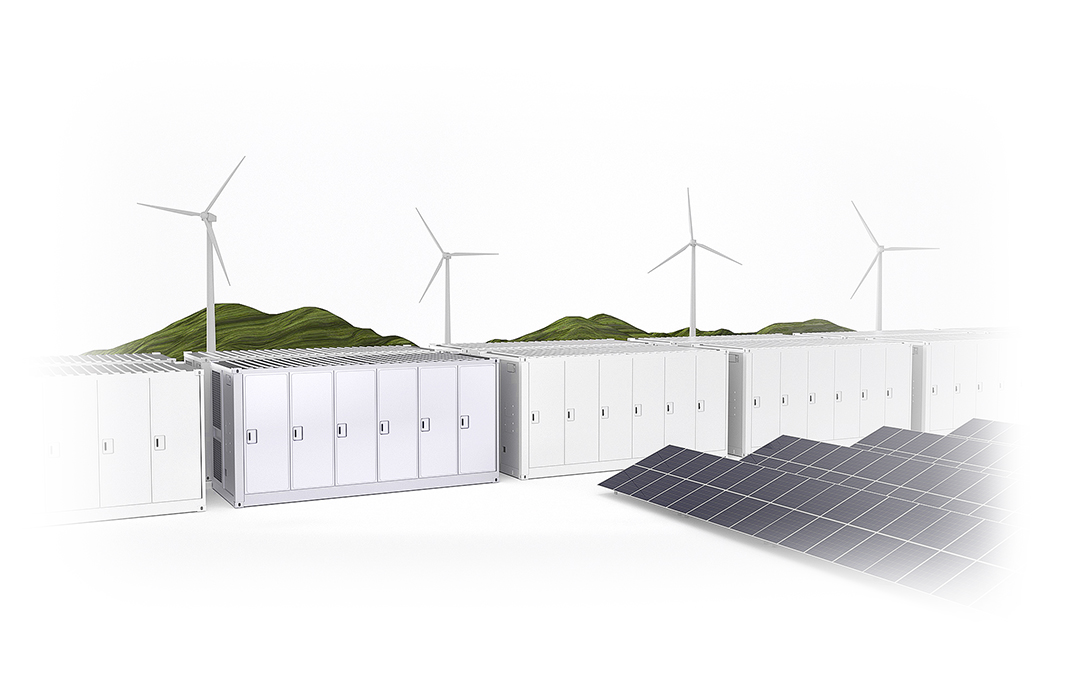
Hybrid solar inverters play an important role in modern solar energy systems by combining multiple power management functions into a single unit. They allow electricity generated from solar PV panels to be used directly, stored in batteries, or fed into the grid when conditions allow. In recent years, companies such as Sunway Solar have focused on developing integrated solutions that support flexible energy use in residential and commercial environments, helping users adapt to changing power demands.
How Hybrid Solar Inverters Manage Energy Flow
A hybrid solar inverter converts direct current produced by solar PV panels into alternating current suitable for daily use, while also controlling battery charging and discharging. They are designed to switch intelligently between solar power, stored energy, and grid electricity based on availability. This coordinated operation helps improve system efficiency and reduces unnecessary energy loss. Sunway Solar provides hybrid inverter solutions that are compatible with different system configurations, supporting stable operation across a range of applications.
Applications of Hybrid Off Grid Inverters
A hybrid off grid inverter is commonly used in areas with limited or unstable grid access. It enables solar energy to be stored during daylight hours and supplied when sunlight is insufficient. This configuration is suitable for remote locations, backup power systems, and regions experiencing frequent outages. Sunway Solar also offers technical support to help users configure systems according to local installation conditions, ensuring safe and reliable operation over time.
Conclusion
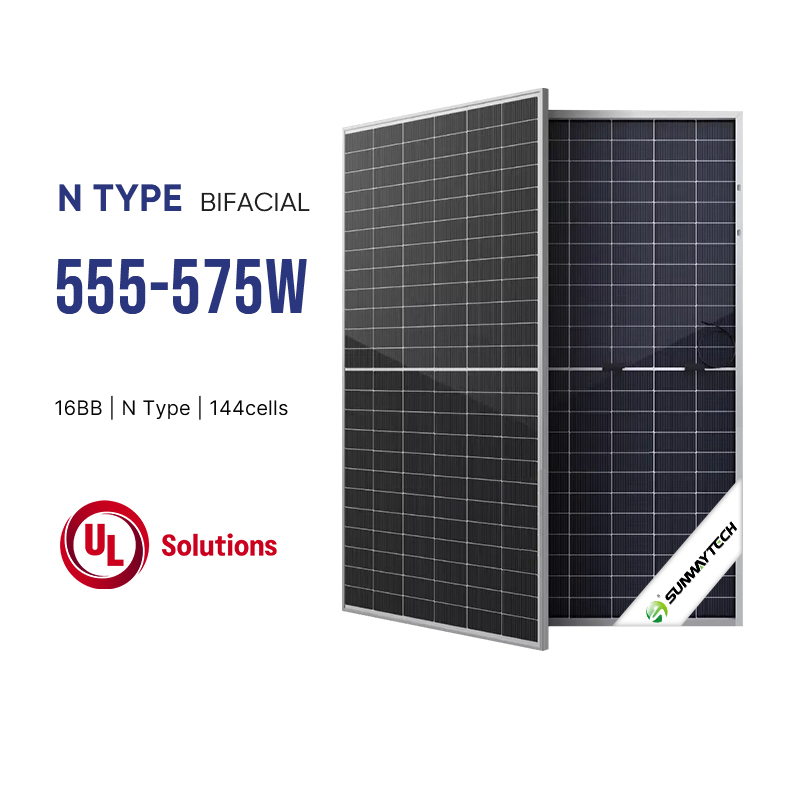
In conclusion, Sunway Solar illustrates how hybrid solar inverters work together with solar PV panels to support flexible and efficient energy management. Their hybrid off grid inverter solutions address practical energy challenges by integrating power conversion and storage into a unified system. As interest in hybrid solar technology continues to grow, such systems are increasingly applied in both residential and commercial settings. Additional product and system information is available through the company’s public materials.