networthsin
  • Home
  • Featured
  • People
  • Still
  • Landscape
Category:

News

IndustryNewsProduct

PLC Transformer Advantages for Reliable Power Line Communication Systems

by networthsin June 17, 2026
written by networthsin

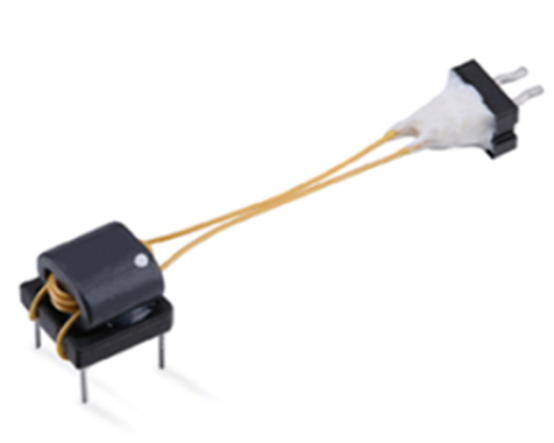
As industries continue to embrace smart technologies and connected infrastructure, the demand for efficient communication over power networks has increased significantly. A plc transformer is a key component that enables Power Line Communication (PLC) systems to transmit data through existing electrical wiring while maintaining signal quality and system safety. Mentech, a trusted manufacturer of magnetic components and communication solutions, offers advanced transformer products designed to support stable and efficient communication in various industrial and utility applications.

Signal Coupling and Isolation Benefits

One of the most important advantages of a plc transformer is its ability to provide effective signal coupling and galvanic isolation. PLC transformers efficiently couple input and output signals, helping to minimize signal attenuation and distortion during transmission. This ensures that communication signals can travel reliably across power lines without significant degradation.

In addition, galvanic isolation enhances system protection by separating communication circuits from high-voltage power networks. This feature improves immunity to electromagnetic interference and reduces the risk of electrical disturbances affecting communication performance. Mentech incorporates these capabilities into its transformer designs, helping customers achieve stable, accurate, and secure data transmission in demanding environments.

Wide Input Range and Excellent Transmission Performance

Another significant advantage of a plc transformer is its flexibility in supporting a wide range of input voltages. Mentech offers high-quality PLC transformers with input voltage ranges from 500V to 3750V, allowing system designers to select solutions that meet the requirements of diverse applications.

Excellent signal transmission is also a defining characteristic of a modern plc transformer. With advanced magnetic design and optimized construction, these transformers ensure minimal signal loss and distortion throughout the communication process. As a result, systems can maintain reliable connectivity, efficient data transfer, and consistent communication performance. Mentech’s commitment to quality manufacturing further enhances the reliability and durability of its transformer solutions.

Supporting the Future of Connected Networks

As smart grids, industrial automation, and intelligent monitoring systems continue to expand, dependable communication infrastructure becomes increasingly important. Mentech delivers innovative PLC transformer solutions that combine signal isolation, broad voltage compatibility, and outstanding transmission performance. By integrating a high-quality plc transformer into communication systems, organizations can improve network reliability, enhance operational efficiency, and support the growing demands of modern connected technologies.

June 17, 2026 0 comments
0 FacebookTwitterPinterestEmail
NewsProduct

 Key Safety Standards for Utility-Scale Battery Storage Manufacturers

by networthsin June 9, 2026
written by networthsin

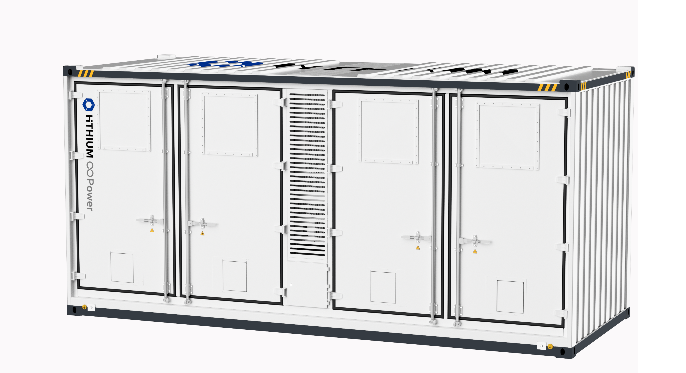
In the evolving global energy landscape, utility scale battery storage plays a critical role in stabilizing power systems and enabling higher penetration of renewable energy. For manufacturers operating in the sector, adherence to rigorous safety standards is not optional but essential for project viability, regulatory compliance, and long-term operational reliability. Utility scale battery storage systems must meet strict technical and safety requirements due to their large capacity, grid-level integration, and exposure to diverse environmental conditions. As industry stakeholders increasingly prioritize risk mitigation, manufacturers are expected to demonstrate both engineering excellence and compliance with international safety frameworks.

Core Safety Standards and Compliance Requirements

Manufacturers of utility scale battery storage systems must align with globally recognized safety standards such as IEC, UL, and NFPA guidelines. These standards cover critical aspects including thermal runaway prevention, fire protection, electrical safety, and system enclosure integrity.

Thermal management is one of the most important safety considerations. Effective cooling systems and cell-level monitoring are required to prevent overheating, which can lead to cascading failures. Additionally, fire detection and suppression systems—often integrated at module, rack, and container levels—are mandatory for large-scale deployments.

Electrical safety standards ensure protection against short circuits, overvoltage, and insulation failures. This includes robust system grounding, fault detection mechanisms, and isolation strategies. For grid-connected applications, compliance with grid codes and interconnection standards is equally essential to ensure safe and stable operation within utility networks.

Manufacturers must also conduct rigorous testing, including abuse testing, environmental stress testing, and lifecycle validation, to verify the resilience of utility scale battery storage under real-world conditions. Documentation and traceability further support compliance and facilitate project approvals.

System Design and Operational Safety Considerations

Beyond compliance, system-level design plays a decisive role in ensuring safety. Advanced Battery Management Systems (BMS) are central to monitoring cell performance, balancing charge cycles, and detecting anomalies in real time. A well-designed BMS enhances both safety and operational efficiency in utility scale battery storage systems.

Another key factor is system integration. Manufacturers must ensure compatibility between battery cells, inverters, and energy management systems. Poor integration can introduce hidden risks, particularly during peak load operations or grid disturbances.

HiTHIUM exemplifies this approach by leveraging high battery consistency, advanced BMS technology, and rapid commissioning capabilities. Its solutions are designed to support peak shaving, frequency regulation, and renewable energy integration while maintaining high safety and reliability standards.

Operational protocols are equally important. Remote monitoring, predictive maintenance, and emergency response planning help mitigate risks throughout the system lifecycle. For clients, these capabilities translate into reduced downtime, improved asset longevity, and enhanced return on investment.

Advancing Grid Reliability Through Standardized Safety Practices

As utility scale battery storage becomes a cornerstone of modern energy infrastructure, safety standardization will continue to shape industry development. Manufacturers that prioritize compliance, robust system design, and operational transparency are better positioned to support grid stability and renewable integration. By adopting proven technologies and rigorous safety frameworks, companies can deliver utility scale battery storage systems that not only meet regulatory expectations but also provide dependable, long-term value to energy stakeholders.

June 9, 2026 0 comments
0 FacebookTwitterPinterestEmail
NewsProduct

Industrial AMR selection guide 2026: how manufacturers and warehouses should choose autonomous mobile robots

by networthsin June 5, 2026
written by networthsin

Autonomous mobile robots now sit in the middle of a bigger operational choice: which internal transport loops should be handled by people, fixed automation, forklifts, conveyors, AGVs, AMRs, or some mix of all of them.

June 3, 2026 | 14 min read

A warehouse team rarely gets in trouble because a robot cannot drive across a clean demo area. Trouble starts later, when a route crosses forklift traffic, a cart is heavier than expected, a doorway is tight, the WMS task does not sync, or night-shift operators do not know who owns exceptions.

That is why industrial AMR selection in 2026 should start with the workflow, not the robot. A good robot demo proves movement. A good AMR business case proves that a repetitive transport loop can run safely, predictably, and with fewer interruptions to the people already doing the work.

Short answer: manufacturers and warehouses should choose an industrial AMR by mapping three to five repetitive transport workflows first. For each workflow, define the load, route, floor conditions, traffic, software handoff, safety requirements, uptime target, and service model. Then choose robots whose payload, passability, navigation, interoperability, and support model fit those workflows.

Why AMR selection is harder in 2026

The category is no longer experimental. The International Federation of Robotics reported that professional service robot sales reached almost 200,000 units in 2024, with transportation and logistics accounting for 102,900 units in its supplier sample. The same IFR release describes indoor goods transport as the most important application within that segment.

At the same time, supply chain leaders are putting more money into technology. Coverage of the 2026 MHI Annual Industry Report says 56% of supply chain leaders are increasing technology and innovation investment, and that those investments include AI and robotics for resiliency, visibility, transparency, and workforce pressure.

AMRs are easier to find, finance, and pilot than they were a few years ago. That does not make them easier to choose. More vendors, more deployment models, and more software layers mean teams must define fit more carefully.

Gartner’s 2026 warehouse prediction also points in this direction. Gartner expects half of new warehouses in developed markets to be designed as robot-centric facilities by 2030, and it notes that the market for intralogistics smart robotics is fragmented and will need multiagent orchestration for mixed robot fleets. That is not a reason to buy the most complex system first. It is a reason to avoid a robot that works only as a one-off island.

Start with the work, then the robot

The first selection question is not “Which AMR is best?” It is “Which transport work should become more repeatable?”

In a factory, the answer may be line-side material replenishment, work-in-process transfer, quality sample delivery, or finished-goods movement. In a warehouse, it may be assisted picking, returns movement, staging replenishment, tote transfer, or rack movement. Each job asks something different from the robot.

WorkflowTypical operating patternWhat the AMR must prove
Line-side deliveryFixed or semi-fixed routes between storage and production cellsTimed delivery, narrow-aisle navigation, safe mixed traffic, easy route updates
Kitting and component deliveryFrequent small-load movement from supermarket areas to stationsLoad stability, container fit, task confirmation, simple operator calls
Work-in-process transferMovement between production steps or inspection pointsDocking accuracy, traceability, exception handling, MES handoff
Warehouse assisted pickingRobot follows or receives tasks across aislesPicking ergonomics, WMS task flow, aisle passability, battery coverage
Finished-goods or 3PL transferHigher-volume movement to staging, packing, or dispatchFleet coordination, charging plan, throughput under peak load
Heavy rack or pallet supportLarge loads, underride platforms, towing, or rack movementPayload margin, floor quality, traffic control, service readiness

Table 1 – Workflow-to-requirement matrix.

This workflow-first method sounds plain, but it prevents a common mistake: buying for the edge case. A team sees one heavy load or one complex route and designs the entire project around it. The better approach is to separate high-frequency daily loops from occasional exceptions. If 80% of the transport work involves 80 kg bins and a few routes involve 500 kg racks, one robot class may not be the right answer.

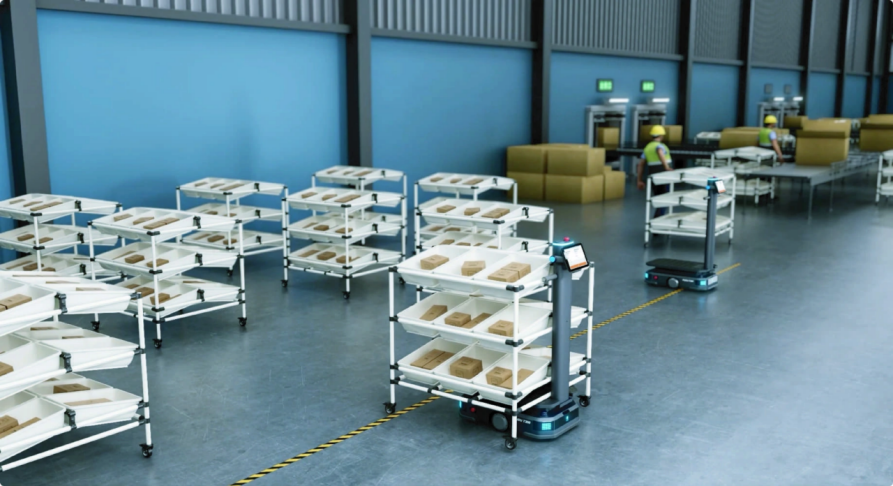
Figure 1 – Warehouse picking and internal transport workflows should be mapped before buyers compare payload claims or fleet software.

Decide whether AMR is the right automation type

AMRs are strong when the facility needs flexible routing in a changing indoor environment. They are less attractive when the process is extremely fixed, very high throughput, or better served by mechanical automation.

OptionBest fitWatch-outs
Manual carts or pallet jacksLow volume, short routes, fast process changesHard to scale, inconsistent timing, ergonomic load on staff
ForkliftsHeavy loads, vertical lift, pallet movement, mixed outdoor/indoor workEHS exposure, driver availability, traffic risk, limited traceability
ConveyorHigh-volume fixed flow between stable pointsLayout changes are expensive; poor fit for variable routing
AGVPredictable routes with controlled traffic and stable layoutsLower flexibility if route changes require markers, magnets, or infrastructure work
AMRDynamic indoor routes, mixed workflows, staged rollout, changing layoutsNeeds good workflow design, safety validation, integration, and fleet governance
AS/RS or goods-to-person systemsDense storage and high-throughput pickingHigher facility design effort and capital planning

Table 2 – AMR versus other material handling options.

For many manufacturers, AMRs are most useful in the gap between manual movement and fixed automation. They can support repetitive internal transport without rebuilding the plant around one fixed path. For many warehouses, AMRs make sense when walking time, tote movement, or staging flow consumes too much supervisor attention during normal shifts and peak periods.

The wrong use case is just as important. If a facility needs vertical pallet handling, a standard AMR may not be enough. If routes never change and volume is constant, conveyor or AGV infrastructure may be more economical. If the site has rough floors, outdoor yards, freezer conditions, or strict hygiene needs, the standard indoor AMR category may require specialized engineering.

Use seven criteria to build the shortlist

Once the workflow is clear, selection becomes less abstract. These seven criteria should shape the first shortlist and the later pilot.

1. Payload, load shape, and margin

Payload is more than weight. Buyers should record the actual cart, tote, rack, or shelf that the robot will move, including center of gravity, load height, fastening method, and the worst normal load. A robot rated for 300 kg may still be the wrong robot if the load is awkward, top-heavy, unstable, or hard to dock.

Do not buy to the average load. Buy to the real operating load with margin. If the route involves 120 kg most of the day and 180 kg several times per shift, the 180 kg job drives the selection.

2. Passability and floor conditions

Passability is where many clean demos break. Measure aisle width, door width, intersection width, turning space, ramps, thresholds, grooves, elevator entries, floor markings, wet areas, and temporary obstacles. Small differences matter when robots, carts, operators, and forklifts share a route.

The site survey should include normal disruption, not just the ideal path. If pallet wrap, temporary bins, parked carts, or cleaning equipment often appear in the aisle, the vendor needs to show how the robot detects, avoids, reroutes, waits, or escalates.

3. Navigation and perception

Navigation claims sound similar across vendors, but the site matters. LiDAR SLAM, visual SLAM, QR codes, reflectors, markers, and hybrid methods can all work when matched to the environment. The question is whether the robot can stay localized in the buyer’s real building: high ceilings, long corridors, repeated rack patterns, glass, low obstacles, lighting changes, and people moving nearby.

Ask vendors to explain map updating, recovery after localization loss, obstacle behavior, and how route changes are made. The person who updates routes after a line change is often not the same person who attended the vendor demo.

4. Safety and EHS fit

OSHA’s warehousing overview lists hazards tied to powered industrial trucks, ergonomics, material handling, slip/trip/falls, and robotics. AMRs should be evaluated as part of that EHS system, not as a separate novelty.

For safety standards, buyers should know two references. ISO 3691-4:2023 covers safety requirements and verification for driverless industrial trucks and includes autonomous mobile robots among its examples. ANSI/RIA R15.08-1-2020 specifies safety requirements for industrial mobile robots and the hazards associated with them.

A compliant robot is only part of the answer. The operating zone, traffic rules, emergency stops, signage, speed settings, pedestrian crossings, forklift interactions, maintenance procedures, and staff training still need site-level validation.

5. Software integration and task ownership

An AMR that moves well but receives work badly will frustrate the floor. Buyers should define where tasks originate: WMS, MES, ERP, PLC, call button, pager, mobile app, on-device touch screen, API, or supervisor dispatch.

Also define ownership. Who creates the task? Who cancels it? Who resolves a blocked route? Who handles failed docking? Who restarts a robot after a safety stop? In mature deployments, exception ownership is as important as route planning.

6. Fleet management and interoperability

One robot can be managed locally. A fleet needs rules. When multiple AMRs, AGVs, forklifts, cleaning robots, elevators, gates, and workstations share a facility, buyers need to ask how traffic will be coordinated.

The 2026 release of VDA 5050 version 3.0 is worth watching because it expands the communication interface for mobile robots, including robots with higher autonomy and zone concepts for free navigation. The MassRobotics AMR Interoperability Standard is another useful reference: it focuses on sharing basic information such as capability, location, and robot status across vendors, while not requiring vendors to share proprietary maps.

The buyer question is simple: what information can the robot share, what can the central system control, and what remains vendor-specific?

7. Uptime, charging, and service model

A robot that handles a route for two hours is different from one that supports a two-shift or three-shift operation. Buyers should model run time under load, charging time, battery swap process, docking reliability, spare parts availability, remote support, local service coverage, and maintenance ownership.

Uptime planning should be specific. If one robot is charging, does another cover the route? If the robot is blocked, does the task reassign? If a battery degrades, who notices before the route fails?

Build a vendor scorecard before the demo

Vendor demos are useful after the buyer has written the evaluation rules. A scorecard keeps the conversation grounded.

CriterionWhat to askEvidence to request
Workflow fitWhich of our routes can your robot run without facility changes?Site-survey notes, route simulation, deployment plan
Payload fitWhat load shape and margin are supported?Product spec, cart/rack drawings, docking test
Safety fitWhich standards apply and what must be validated on site?ISO/ANSI documentation, risk assessment method
IntegrationHow do tasks move between WMS/MES and robot fleet?API docs, integration examples, fallback process
Fleet governanceHow are traffic, priorities, blocked paths, and charging handled?Fleet manager demo, exception logs, control logic
Service modelWho supports hardware, software, batteries, and training?SLA, spare parts plan, local support structure
Scale planHow does the pilot become a multi-route deployment?Rollout roadmap, multi-site references, governance model

Table 3 – Industrial AMR vendor scorecard.

Use the scorecard twice: first to shortlist vendors, then to judge the pilot. That keeps the project from drifting toward whatever looked most impressive in the showroom.

Read product specs as workflow clues: the Pudu Robotics example

Pudu Robotics is a useful example because its industrial delivery line spans different payload classes. The product pages for PUDU T150, PUDU T300, and PUDU T600 show how buyers can read specs as workflow clues rather than isolated numbers.

ProductPayload classStronger fit to examineSelected official specs
PUDU T150150 kgLight-load, high-frequency transport, component delivery, warehouse picking supportVSLAM + LiDAR SLAM, 60 cm passable width, 12 h no-load operating time, 20 mm step, 35 mm gap
PUDU T300300 kgMedium-load factory logistics, shelf mode, lifting mode, towing mode, line-side delivery300 kg maximum load, 60 cm path clearance, VSLAM and LiDAR SLAM, 12 h no-load and 6 h full-load runtime
PUDU T600600 kgHeavy rack or large-payload movement, standardized fleet deployment, on-premises control600 kg maximum load, VDA 5050 support, 12 h no-load runtime, standard and underride configurations

Table 4 – PUDU T series payload and use-case mapping.

Figure 2 – A medium-payload AMR class is often evaluated for cart, tote, or rack movement between warehouse zones and staging areas.

The procurement lesson is not that one payload number is better than another. It is that payload classes should map to workflow groups. A light-load AMR may be the most practical tool for small-item replenishment. A medium-load AMR may cover line-side delivery, shelf movement, and inter-zone transfer. A heavy-payload or underride AMR may be needed when racks, larger carts, or heavier loads drive the route design.

Pudu Robotics also publishes broader company context: its company page states that it has shipped over 120,000 units globally and operates in more than 80 countries and regions. For procurement teams, that kind of deployment base supports confidence in product maturity, service learning, and multi-market support when industrial AMRs move from pilot to scale.

Design the pilot to prove operations, not curiosity

A pilot should test a repeatable route under real operating conditions. It should not be a general robotics demo.

Good pilot design starts with one to three routes that matter enough to measure but are bounded enough to control. Include the real load, handoff, shift traffic, charging behavior, exception handling, and software task flow.

Pilot itemWhat to define before launch
RouteStart point, end point, stops, crossings, restricted zones, and expected daily trips
LoadWeight, dimensions, cart/rack design, center of gravity, and securing method
PeopleOperators, supervisors, EHS owner, maintenance owner, IT/OT owner
SoftwareTask source, confirmation method, exception logic, reporting fields
SafetySpeed zones, crossings, emergency stops, signage, training, risk assessment
MeasurementCompletion rate, intervention rate, blocked-route events, task accuracy, downtime
Scale triggerClear rule for adding routes, robots, shifts, or sites

Table 5 – Pilot definition checklist.

The pilot should end with a decision. If the route works, define what scales next. If it fails, identify whether the issue is workflow design, facility condition, integration, service, or robot capability.

Questions to put in the RFP

Buyers do not need a 90-question RFP to learn whether a vendor understands industrial operations. They need questions that expose ownership, proof, and tradeoffs.

1. Which of our mapped workflows fit your current product without custom engineering?

2. What payload, floor, aisle, lighting, and traffic assumptions are required?

3. Which safety standards does the robot support, and which safety tasks remain site-specific?

4. How are maps created, updated, validated, and recovered after layout changes?

5. What information can your fleet manager share with WMS, MES, ERP, elevators, gates, and third-party systems?

6. Does your system support VDA 5050, MassRobotics interoperability, open APIs, or another fleet interface?

7. How are blocked routes, failed docks, missed calls, charging conflicts, and emergency stops logged?

8. What service coverage, spare parts, training, and escalation path are available in the deployment region?

9. What pilot evidence will prove that this project should scale?

10. What operational changes must the buyer make before the robot can succeed?

The last question matters. Good vendors can explain what the robot will not fix by itself, especially where layout discipline, barcode quality, traffic rules, or task data need cleanup first.

FAQ

What is the most important criterion when choosing an industrial AMR?

Workflow fit is the most important criterion. Payload, navigation, battery life, and integration all matter, but they only make sense after the buyer defines the route, load, traffic, software handoff, and success metric.

How is an AMR different from an AGV?

An AGV usually follows a more fixed path or guided infrastructure. An AMR is designed for more flexible navigation in dynamic indoor environments. The boundary can blur because modern systems vary, so buyers should compare the actual navigation method, route-change process, facility modification requirement, and fleet control model.

What payload class should a warehouse or factory choose?

Choose payload by workflow group. Light-load AMRs may fit small-item replenishment and picking support. Medium-load AMRs may fit carts, shelves, and line-side delivery. Heavy-payload AMRs may be needed for racks, larger carts, or pallet-adjacent workflows. Always check load shape and margin, not weight alone.

Which safety standards matter for industrial AMRs?

ISO 3691-4 and ANSI/RIA R15.08 are the two main references many buyers should know. ISO 3691-4 covers driverless industrial trucks and includes AMRs as examples. ANSI/RIA R15.08 addresses industrial mobile robot safety requirements. Buyers also need site-level EHS validation, training, traffic rules, and operating-zone preparation.

Is interoperability required for an AMR project?

Interoperability becomes more important as the fleet grows or as multiple robot types share a facility. A single-route pilot may not need full mixed-fleet orchestration. A multi-site program should ask early about VDA 5050, MassRobotics interoperability, APIs, and what data the robot can share with central systems.

How long should an AMR pilot run?

The pilot should run long enough to capture normal shift variation, charging behavior, exceptions, and operator handoffs. The better question is not the number of days. It is whether the pilot produced enough evidence to decide what scales, what changes, and what should stop.

The practical next step

The best AMR selection process is almost boring at the start: list the routes, measure the loads, walk the aisles, record the exceptions, and decide who owns each handoff. That work gives procurement a better shortlist and gives operations a pilot that answers a real question.

For manufacturers and warehouses evaluating industrial AMRs in 2026, the strongest buying question is this: which robot can help this specific transport loop run safely, repeatedly, and with clear ownership when something goes wrong?

Teams considering Pudu Robotics can use the PUDU T series as a practical starting point for that discussion: light, medium, and heavy industrial delivery AMR classes; official payload and passability specifications; and a global product base that supports staged rollout planning. The next step is to map the first three workflows and test them against the selection criteria above before the demo calendar fills up.

References & Further Reading

1. International Federation of Robotics, World Robotics 2025 service robots release.

2. MHI / MODEX, The 2026 MHI Annual Industry Report is Out Now.

3. Gartner, robot-centric warehouse prediction for 2030.

4. OSHA, Warehousing overview.

5. ISO, ISO 3691-4:2023 driverless industrial trucks and their systems.

6. ANSI Webstore, ANSI/RIA R15.08-1-2020 industrial mobile robots safety requirements.

7. VDA, Version 3.0 of VDA 5050 released.

8. MassRobotics, AMR Interoperability Standard overview.

9. Pudu Robotics, PUDU T150.

10. Pudu Robotics, PUDU T300.

11. Pudu Robotics, PUDU T600.

12. Pudu Robotics, About Us.

June 5, 2026 0 comments
0 FacebookTwitterPinterestEmail
NewsProduct

Multi-Function Turning-Milling Integration in Modern CNC Production

by networthsin June 1, 2026
written by networthsin

Optimizing metal machining workflows requires minimizing redundant handling steps to ensure dimensional consistency and operational efficiency. For manufacturers and distributors evaluating production efficiency, Leichman offers machine solutions designed to integrate multiple machining processes within a single setup, reducing interruptions during part processing. In this context, CNC turn mill center manufacturers play a role in providing equipment that supports combined turning and milling operations in one machine cycle.

Process Integration in Single Setup Machining

A major challenge in traditional machining is the repeated transfer of semi-finished parts between different machines. Each transfer introduces additional clamping operations, which may affect dimensional consistency. The multifunctional mill turn center developed by Leichman is designed to complete turning, milling, and drilling operations in a single clamping process. This reduces repositioning steps and helps maintain more stable alignment during machining. For EPC contractors and industrial procurement teams, this integrated workflow can simplify production planning and reduce intermediate handling requirements.

Operational Efficiency and Application Scenarios

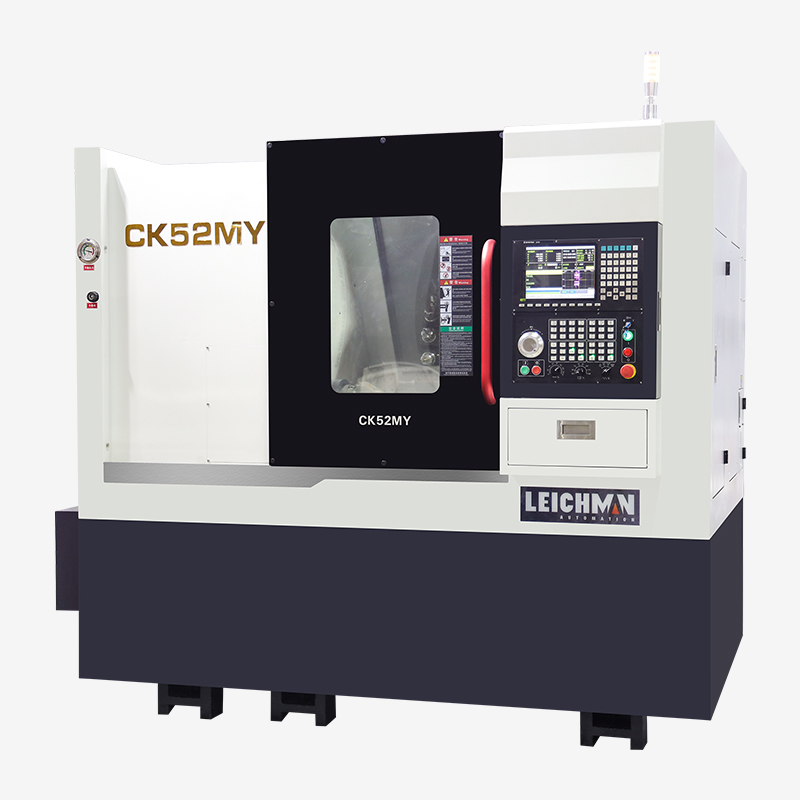
In practical industrial environments, machine stability and process continuity are important for maintaining consistent output. The CK52MY model from Leichman demonstrates how multi-process integration can be applied in machining shafts, threaded components, and precision metal parts. As CNC turn mill center manufacturers continue to optimize machine architecture, combined machining platforms are increasingly used in automotive component production, general machinery manufacturing, and subcontract machining operations. The multifunctional mill turn center structure helps operators reduce repeated setup time while maintaining machining accuracy across multiple operations.

Conclusion: Reducing Clamping Errors Through Integrated Machining

Integrated machining systems allow multiple processes to be completed in one continuous cycle, reducing the need for repeated clamping and part repositioning. Leichman applies this concept through its combined turning and milling equipment design, offering a structured workflow for industrial users. By using a multifunctional mill turn center, procurement teams and manufacturing facilities can better manage process flow efficiency while minimizing potential deviations caused by multiple setups. For global buyers working with CNC turn mill center manufacturers, this approach provides a more streamlined production method aligned with multi-stage metal processing requirements.

June 1, 2026 0 comments
0 FacebookTwitterPinterestEmail
News

How Energy Storage Is Evolving From Peak Shaving to Full Grid Services

by networthsin May 14, 2026
written by networthsin

In recent energy storage news, the role of battery systems is rapidly expanding beyond traditional peak shaving. Historically, businesses adopted storage mainly to reduce electricity costs by shifting usage away from peak hours. However, as highlighted across broader energy industry news, modern energy systems now require flexibility, resilience, and real-time responsiveness. This shift is driving energy storage toward full grid service participation, where systems not only store energy but actively stabilize and optimize entire power networks.

From Cost Optimization to Grid Participation in Energy Storage News

For global providers like WHES, this evolution aligns with their positioning as a Tier 1 battery energy storage manufacturer serving utility, commercial, and industrial markets. Their solutions are designed to support a wide range of applications—from peak-valley arbitrage to advanced grid services such as frequency regulation and demand response. WHES systems integrate intelligent energy management platforms that optimize energy flows in real time, enabling businesses to respond dynamically to pricing signals and grid conditions. This capability is increasingly emphasized in energy storage news, where digitalization is becoming as critical as hardware performance.

Advanced System Capabilities Highlighted in Energy Industry News

A key driver behind this transformation is the advancement of system architecture and performance. For example, WHES commercial and industrial solutions feature modular designs scalable up to 1.25 MW/2.5 MWh, with battery capacities around 509 kWh per unit and efficiencies reaching up to 98.5%. These systems support multiple grid services, including renewable energy smoothing and virtual power plant (VPP) participation, reflecting trends widely discussed in energy industry news. In addition, features such as liquid cooling, IP55 protection, and wide operating temperature ranges (–20°C to 55°C) ensure reliability in demanding industrial environments.

The Expanding Role of WHES in Modern Energy Storage News

As the grid continues to decentralize, energy storage is no longer a passive asset but an active infrastructure component. According to ongoing energy storage news, businesses are increasingly leveraging storage not just for cost savings but for operational continuity and energy independence. With integrated solutions and global deployment experience, WHES is contributing to this transition by enabling enterprises to participate in broader grid ecosystems. This shift marks a new phase in the energy industry news landscape—where energy storage evolves into a cornerstone of intelligent, service-oriented power systems.

May 14, 2026 0 comments
0 FacebookTwitterPinterestEmail
MedicalNews

Recognizing Poland Syndrome in Children and Adolescents

by networthsin April 21, 2026
written by networthsin

Poland syndrome is a rare congenital condition characterized by hypoplasia or absence of skeletal and soft tissue structures in the chest wall, such as underdevelopment or absence of the ribs, pectoralis major muscle, pectoralis minor muscle, or breast tissue. Additionally, patients may present with concurrent upper limb deformities on the affected side, including finger agenesis, syndactyly (fusion of fingers), brachydactyly (shortened fingers), and carpal bone hypoplasia, among other malformations.

Possible Reasons

The exact cause of Poland syndrome is not fully understood. Researchers believe this may be associated with abnormal embryonic development or a deficiency in blood supply to the chest wall and ipsilateral upper limb. Genetic factors may also play a role, along with other contributing elements, but a single definitive cause has not yet been identified.

Physical Signs and Symptoms

Common manifestations include asymmetric chest contour, hypoplasia or agenesis of the pectoralis major, pectoralis minor, and breast tissue. Significant chest wall depression may cause respiratory symptoms such as chest tightness, palpitations, and shortness of breath. Some patients may also present with scoliosis among other Poland syndrome symptoms.

Diagnosis and Age of Detection

Poland syndrome is typically diagnosed during childhood, often when visible chest wall asymmetry or upper limb abnormalities are first noticed by parents or caregivers. Physical examinations, coupled with imaging techniques like CT scans, MRI, and X-rays, help clarify the extent of chest wall and limb involvement. Early detection allows for more effective planning of surgical interventions, such as the Wang procedure, the Willine procedure, or soft tissue and chest wall reconstructions offered by The Institute of Chest Wall Surgery (ICWS).

Final Thoughts

While the origins of Poland syndrome are not fully known, knowing what might cause it and what its symptoms are can help doctors find it early and treat it well.  Personalized surgical strategies can address both structural and cosmetic concerns, improving quality of life for affected individuals.

April 21, 2026 0 comments
0 FacebookTwitterPinterestEmail
NewsTech

Fast Maintenance Design for Perimeter LED Display

by networthsin April 3, 2026
written by networthsin

In today’s sports and live-event environments, an LED perimeter board isn’t just a screen; it’s a dynamic visual canvas that engages fans and supports sponsor visibility around the field. A perimeter LED display must deliver consistent performance throughout even the busiest events, and a key aspect of achieving that reliability is a design that simplifies maintenance without sacrificing visual quality. That’s where Chainzone brings thoughtful engineering to outdoor LED solutions.

Why Maintenance Matters for Perimeter LED Displays

Perimeter LED displays wrap around stadium boundaries or event spaces, showing live stats, branding, and adverts in real time. These screens operate in high-use environments where quick access for service or repairs can significantly reduce downtime and cost. A poorly designed system can require extensive disassembly or specialist tools just to replace a single LED module, slowing response and increasing labor.

Chainzone‘s Approach to Fast Serviceability

Chainzone incorporates practical design features to make upkeep more straightforward for operators. A standout element in many of their LED display products is the front and rear maintenance access, which allows technicians to reach modules from either side of the perimeter setup. This flexible access reduces the need for elaborate dismounting and allows component replacement or service checks to be completed quickly and efficiently.

Modular design is another advantage. Each panel or LED module is sized for simple handling, meaning that instead of working on a large, unwieldy board, teams can focus on smaller, manageable pieces. This modularity also supports efficient troubleshooting and lowers the time required to diagnose and fix issues during or between events.

Benefits Beyond Maintenance

While fast maintenance is a core focus, Chainzone’s perimeter solutions also offer robust performance features such as durable outdoor construction, high refresh rates for smooth visuals during broadcast, and configurations tailored for varying viewing distances. Combined with easy maintenance, these attributes ensure that your perimeter LED setup remains both reliable and visually engaging throughout its lifecycle.

Conclusion

For venues that rely onerimeter LED Display systems day in and day out, maintenance efficiency is essential. Chainzone’s thoughtful engineering aims to make servicing easier, lowering long-term operational costs and minimizing interruptions. Whether installed in a stadium or live event space, a maintenance-friendly perimeter LED board keeps your display running smoothly while enhancing audience and sponsor engagement.

April 3, 2026 0 comments
0 FacebookTwitterPinterestEmail
IndustryNews

What Should I Look for When Checking Gazebos for Sale?

by networthsin April 3, 2026
written by networthsin

Enhancing outdoor living spaces has become a popular way to enjoy nature without leaving home. Many homeowners are now exploring options for a stylish and functional outdoor gazebo that can transform backyards into comfortable gathering spots. With so many gazebos for sale, selecting the right one requires attention to materials, durability, and design features. The SUNJOY 12×16 Wooden Gazebo with a 2-tier metal roof offers a great example of combining aesthetic appeal with practical functionality for year-round enjoyment.

Quality Materials Ensure Longevity

When evaluating gazebos for sale, the materials used play a critical role in the structure’s lifespan. The SUNJOY wooden gazebo features a natural cedar frame, which provides both visual charm and natural resistance to decay. Complemented by a powder-coated steel roof, this combination ensures protection from rain and sun, maintaining the gazebo’s structural integrity over time. Homeowners should prioritize gazebos built with high-quality wood and rust-resistant metal components to enjoy long-term outdoor use.

Ventilation and Comfort Features

Comfort is another key consideration for any outdoor gazebo. The 12×16 SUNJOY gazebo features a ventilated 2-tier top, allowing for air circulation that keeps the space cool even on warm days. Additionally, the dual rail system enables the addition of curtains or netting for privacy and insect protection. Small but thoughtful touches, like the included ceiling hook for hanging lights or fans, can significantly enhance the usability and ambiance of the outdoor area. Whether you’re creating a cozy lounge space for evening entertaining or a comfortable play area for children during the day, these adaptable features make the SUNJOY gazebo a versatile centerpiece that effortlessly suits your family’s changing needs.

Design Flexibility and Aesthetic Appeal

A well-chosen gazebo should complement the surrounding landscape and personal style. The SUNJOY cedar gazebo blends natural wood elegance with a durable metal roof, making it suitable for various backyard settings. Buyers can customize the space with furniture, lighting, or plants to create a welcoming environment for gatherings or quiet relaxation. Checking the design details of gazebos for sale ensures the structure aligns with both aesthetic preferences and functional needs.

Conclusion

Selecting the right gazebos for sale requires careful attention to materials, ventilation, and design features. High-quality options like the SUNJOY 12×16 Wooden Gazebo provide durability, comfort, and visual appeal, making them excellent choices for enhancing backyard living spaces. By considering these factors, homeowners can confidently choose a gazebo that meets both practical and stylistic requirements, transforming any outdoor area into a versatile retreat.

April 3, 2026 0 comments
0 FacebookTwitterPinterestEmail
IndustryNewsTech

Top Factors to Consider When Sourcing Solar PV Panels Globally

by networthsin March 26, 2026
written by networthsin

When sourcing solar PV panels, businesses must navigate an increasingly competitive global market. The right partnership can lead to enhanced efficiency and sustainability in energy production. Here are some vital factors to consider when selecting suppliers for solar PV panels, hybrid solar inverters, and hybrid off-grid inverters.

Quality Assurance and Certifications

A primary consideration when sourcing solar PV panels is the quality of the products. It is essential to choose manufacturers that hold industry-recognized certifications, such as TUV, IEC, CE, ISO, INMETRO, and UL. These certifications not only reflect a commitment to high standards but also ensure the product’s safety and reliability in various markets. Companies like Sunway Solar stand out as reputable manufacturers, providing certified solar panels and inverters that meet global standards.

Product Range and Availability

The breadth of available products can significantly influence sourcing decisions. Suppliers should offer a comprehensive range of solutions, including different types of solar PV panels, lithium batteries, and various inverter options like hybrid solar inverters and hybrid off-grid inverters. A supplier with a robust overseas warehouse, such as the 5000 square meter facility of Sunway Solar, can better meet demand, ensuring timely deliveries and reducing potential disruptions in the supply chain.

Cost-Effectiveness and Long-Term Value

While cost is an important factor, it should be weighed against the long-term value of the solar products. High-quality solar PV panels and efficient inverters can contribute to significant savings over time through enhanced performance and durability. Opting for trusted manufacturers like Sunway Solar, known for their balance of competitive pricing and quality, can lead to better overall value for businesses investing in solar technology.

Conclusion: Building Strategic Partnerships

In summary, sourcing solar PV panels globally requires careful consideration of quality, product range, and cost-effectiveness. Partnering with established and reliable manufacturers like Sunway Solar can provide businesses with the assurance of high-quality products, including hybrid solar inverters and hybrid off-grid inverters. By focusing on these key factors, companies can make informed sourcing decisions that support their renewable energy goals and drive sustainable growth.

March 26, 2026 0 comments
0 FacebookTwitterPinterestEmail
NewsProduct

Integrating SpO2 Sensors with Existing Diagnostic Accessories Systems

by networthsin March 24, 2026
written by networthsin

SpO2 sensors play an essential role in patient monitoring by measuring oxygen saturation levels in the blood. As healthcare environments continue to adopt multi-parameter monitoring systems, integrating these sensors with existing diagnostic accessories has become increasingly important. Working with experienced medical cable assembly manufacturers such as Unimed helps ensure compatibility, stability, and consistent performance across devices.

The Importance of Seamless Integration

In hospitals and clinical settings, patient monitors often combine multiple diagnostic accessories, including ECG leads, temperature probes, and blood pressure cuffs. SpO2 sensors must function within this interconnected system without causing signal disruption or compatibility issues. Proper integration ensures that all monitoring components deliver synchronized and accurate data, which is critical for timely clinical decisions.

A well-designed system minimizes connection errors and reduces the need for frequent equipment adjustments. This is particularly important in high-demand environments such as intensive care units, where efficiency and reliability are essential.

The Role of Medical Cable Design

The integration of SpO2 sensors depends heavily on the quality of cable assemblies. A professional medical cable manufacturer focuses on creating cables that support stable signal transmission while maintaining flexibility and durability. Shielding technology is commonly used to reduce electromagnetic interference, ensuring that SpO2 readings remain accurate even when multiple devices are operating simultaneously.

Medical cable assembly manufacturers like Unimed also emphasize connector precision. Properly designed connectors allow SpO2 sensors to interface smoothly with different monitoring systems, improving usability and reducing wear over time. High-quality materials such as medical-grade TPU and silicone further enhance performance by providing resistance to repeated bending and cleaning processes.

Enhancing System Efficiency and Patient Care

When SpO2 sensors are effectively integrated with diagnostic accessories, healthcare providers benefit from streamlined workflows and reliable monitoring. Consistent data transmission reduces the risk of false readings and supports better patient assessment. This integration also simplifies equipment management, allowing medical staff to focus more on patient care rather than troubleshooting devices.

Conclusion

Integrating SpO2 sensors with existing diagnostic accessories systems requires attention to compatibility, cable quality, and overall system design. By partnering with trusted medical cable assembly manufacturers like Unimed, healthcare facilities can achieve stable and efficient monitoring solutions. Reliable integration supports accurate data collection and contributes to improved patient outcomes across a wide range of clinical settings.

March 24, 2026 0 comments
0 FacebookTwitterPinterestEmail
Newer Posts
Older Posts

Recent Posts

  • Does High Uric Acid Cause Kidney Stones?
  • PLC Transformer Advantages for Reliable Power Line Communication Systems
  • Top Tractor Auto-Steering Systems You Should Consider
  • What Are the Key Advantages of Quasi-Continuous Wave Laser Technology?
  • Linking W25N01GVZEIG Storage with Ai Chip Manufacturers for Edge Computing

Recent Comments

  1. Albert on Girl & Nature
  2. Albert on Girl & Nature
  3. Albert on Girl & Nature
  4. Albert on Couple Photography
  5. Albert on Couple Photography

About Me

About Me

Neque porro quisquam est, qui dolorem ipsum quia dolor sit amet, consectetur, adipisci velit, sed quia non numquam eius modi tempora incidunt ut.

Keep in touch

Facebook Twitter Instagram Pinterest Flickr Behance Youtube Snapchat

Recent Posts

  • Does High Uric Acid Cause Kidney Stones?

    June 22, 2026
  • PLC Transformer Advantages for Reliable Power Line Communication Systems

    June 17, 2026
  • Top Tractor Auto-Steering Systems You Should Consider

    June 17, 2026

Categories

  • 3D Printer Filaments (1)
  • Automobile (1)
  • Biology (1)
  • Business (53)
  • Clothing (1)
  • Desgin (2)
  • Economy (27)
  • Featured (6)
  • Global Trade (42)
  • Healthcare (2)
  • Industry (79)
  • Innovation (26)
  • Jewelry (1)
  • LIFE (18)
    • Landscape (5)
    • People (7)
    • Still (5)
  • Market (26)
  • Medical (2)
  • Monitors (1)
  • News (33)
  • Product (18)
  • Solar (1)
  • Tech (39)
  • Transportation (1)
  • VR (1)

About Me

About Me

Neque porro quisquam est, qui dolorem ipsum quia dolor sit amet, consectetur, adipisci velit, sed quia non numquam eius modi tempora incidunt ut labore et dolore magnam aliquam quaerat voluptatem.

Categories

  • 3D Printer Filaments (1)
  • Automobile (1)
  • Biology (1)
  • Business (53)
  • Clothing (1)
  • Desgin (2)
  • Economy (27)
  • Featured (6)
  • Global Trade (42)
  • Healthcare (2)
  • Industry (79)
  • Innovation (26)
  • Jewelry (1)
  • Landscape (5)
  • LIFE (1)
  • Market (26)
  • Medical (2)
  • Monitors (1)
  • News (33)
  • People (7)
  • Product (18)
  • Solar (1)
  • Still (5)
  • Tech (39)
  • Transportation (1)
  • VR (1)

Popular Posts

  • 1

    Girl & Nature

    July 9, 2017
  • 2

    純電車在香港的未來趨勢與埃安Y Plus的選擇理由

    October 15, 2025
  • 3

    Looking for The Light

    July 9, 2017

All Right Reserved. Designed and Developed by networthsin.

networthsin
  • Home
  • Featured
  • People
  • Still
  • Landscape