networthsin
  • Home
  • Featured
  • People
  • Still
  • Landscape
Category:

Tech

Tech

Best AMR Robots for Automotive Factories in 2026: Top Solutions for Line-Side Delivery and Empty Container Return

by networthsin July 24, 2026
written by networthsin

Line-side replenishment gets the attention. The empty container return leg quietly consumes half the trips — and it is where most automotive AMR programmes are under-specified.

Scope of this guide. This is a vendor-focused buyer’s guide. It sets out the selection criteria that matter for automotive line-side delivery and empty container return, then evaluates the PUDU Robotics portfolio against those criteria. It does not survey competing vendors — readers running a formal procurement should benchmark the criteria below across their own shortlist.

Why Automotive Plants Are Buying AMRs in 2026

Automotive assembly has spent three decades perfecting fixed-path material flow. Conveyors, tuggers and tape-guided AGVs work extremely well when the route, the takt time and the container never change. The problem is that on a modern mixed-model line, all three change constantly — a new variant is added, a station is rebalanced, a supplier switches from cardboard to returnable steel racks, and a route that was engineered over four months becomes obsolete in an afternoon.

Autonomous mobile robots exist to absorb that volatility. An AMR builds its own map from onboard sensors, plans its own path, and re-plans when the aisle is blocked. Rerouting is a change to a software map rather than a change to the floor. For plants running frequent engineering changes, seasonal volume swings or multi-variant lines, that architectural difference is the entire value proposition.

The second driver is workforce. Line-side material handling is repetitive, physically demanding, and increasingly hard to staff on second and third shift. It is also the category of work where a manual error — the wrong part sequence delivered to the wrong station — propagates downstream faster than almost any other.

The Half of the Problem Most Programmes Under-Scope: Empty Container Return

A line-side delivery is not a one-way trip. Every full container that arrives at a station eventually becomes an empty that has to leave it. In a returnable-packaging environment — which is to say, in most of automotive — that return leg is not a rounding error. It is roughly the same number of movements as the delivery leg, and it is structurally harder to automate for three reasons.

  • The trigger is different. A delivery is pulled by consumption and can be scheduled against a known takt. An empty pickup is triggered by an operator, a full dunnage rack, or a fill-level threshold — an event, not a timetable.
  • The load geometry is different. Empty racks and collapsed dunnage are bulky, light and awkwardly stacked. A robot sized for the mass of a full container may still be unable to handle the footprint of a nested empty rack.
  • The destination is different. Empties do not return to the supermarket; they go to a wash bay, a consolidation area, a dock, or a different building entirely. That frequently means crossing fire doors, elevators or yard-adjacent thresholds that a delivery route never touches.

The practical test to apply during vendor evaluation is simple: ask how the robot is called for an empty pickup when nobody is at a terminal, and ask what happens when the empty rack is 30% wider than the full one. A platform that answers both questions with hardware and software already in the product — rather than with an integration project — is a platform that can close the loop.

Selection Criteria for Automotive AMRs

Six axes separate platforms that survive an automotive plant from platforms that survive a pilot.

CriterionWhat to verifyWhy it matters in automotive
Payload and handling modeRated payload, towing rating, and whether lifting, towing, tray and conveyor variants share one chassisDelivery and empty return usually need different handling modes on the same route
PassabilityMinimum aisle clearance, maximum threshold height, maximum floor gapAutomotive aisles are narrow and crossed by expansion joints, drain grooves and door sills
Safety certificationISO 3691-4 compliance, 360° perception, low and suspended obstacle detectionRobots share aisles with pedestrians, tuggers and forklifts under plant EHS governance
Fleet interoperabilityVDA 5050 support, number of robots per scheduler instance, traffic control logicAutomotive fleets grow across mixed-vendor estates and existing master control systems
Deployment modelMapping method, time to first productive task, effort to reroute after a layout changeA line rebalance must not trigger a re-commissioning project
Cross-floor and cross-buildingElevator, e-door and gate integration; fire-alarm behaviourEmpty return routes frequently leave the production hall

The PUDU Industrial AMR Range for Automotive Workflows

Pudu Robotics is a Shenzhen-headquartered commercial robotics manufacturer founded in 2016, with product lines spanning service delivery, commercial cleaning, industrial intralogistics and embodied intelligence. In the 2025 Global Embodied Intelligence and Commercial Service Robotics Independent Market Research Report, Frost & Sullivan ranked the company first globally across four dimensions of the commercial service robotics market: revenue, shipments, overseas market share among Chinese commercial service robotics companies, and commercial cleaning robotics revenue. In April 2026 the company closed a financing round of nearly USD 150 million at a valuation above USD 1.5 billion, bringing cumulative funding past USD 300 million.

All current PUDU industrial and cleaning platforms navigate on PUDU VSLAM+, a fusion of visual SLAM and LiDAR SLAM. The practical consequence is marker-free deployment: no magnetic tape, no reflectors, no floor-mounted QR codes. Routes are drawn on a software map rather than built into the floor, so a layout change is a configuration task rather than a re-commissioning project.

The PUDU T-series is organised by payload class and handling method, which maps cleanly onto the way automotive plants segment material flow.

ModelMax payloadForm factorTypical automotive role
PUDU T150150 kg (330 lb)Light-payload industrial AMRHigh-frequency small-parts loops, fastener and consumable replenishment, sub-assembly kitting
PUDU T300300 kg (661 lb); 400 kg towingMedium-payload modular AMR — tray, lifting, conveyor and towing configurationsLine-side replenishment, in-line transfer, cage cart towing, milk-run routes
PUDU T600600 kg (1,322 lb)Heavy-payload AMR with touchscreen and handleConsolidated heavy loads, bulk material feed, finished-goods movement
PUDU T600 Underride600 kg (1,322 lb)Low-profile chassis, 845 × 500 × 255 mmRack and trolley handling — drives under a cart, lifts, and moves it whole

Line-Side Delivery

For the delivery leg, the PUDU T300 is the volume workhorse. It carries up to 300 kg and tows up to 400 kg, and PUDU publishes a 600 mm ultra-narrow clearance figure for its industrial AMR solution — a meaningful number in aisles that were laid out for a hand truck, not a robot. The T300 supports auto-delivery, follow-me and power-assist modes, so an operator can hand-push the unit through an unmapped area or during map building without fighting the drivetrain. Precise docking with machines and roller conveyors is supported, which is what turns a delivery into a handoff rather than a drop-off.

Published T300 passability figures are 60 cm minimum clearance, a 20 mm threshold limit and a 35 mm floor-gap limit, with an operating envelope of 0–40 °C on flat indoor ground. Runtime is rated at up to 12 hours unloaded and around 6 hours fully loaded, with a 0–90% charge in approximately two hours; both automatic recharging and battery replacement are supported for round-the-clock operation.

Empty Container and Dunnage Return

The return leg is where the T600 Underride earns its place. At 255 mm tall it drives underneath a standard rack, cart or dunnage trolley, lifts it from the centre, and transports the whole unit — no re-palletising, no transfer of the load onto the robot, and no retrofitting of the carts themselves. Its navigation and perception stack identifies target storage groups and performs pick-and-place against designated shelf or cargo positions, which is precisely the behaviour an empty-rack consolidation area needs: take the full trolley of empties away, bring a staged empty trolley back.

For plants that prefer towing to underride, the T300 towing configuration handles cage carts up to 400 kg. Where the empty return route leaves the production hall, both platforms support IoT-based elevator, e-door and gate traversal, so the consolidation area does not have to sit on the same floor as the line.

Call methods matter as much as handling. PUDU industrial AMRs accept tasks from an onboard touchscreen, from button pagers positioned at the station, from the PUDU Link application, and through API integration — so an operator at a station with full dunnage can summon a pickup without walking to a terminal.

Safety, Compliance and Mixed Traffic

The PUDU T-series is built to ISO 3691-4, the safety standard for driverless industrial trucks, and the T150 additionally carries industrial-specific CE certification. Perception combines LiDAR, depth cameras and collision protection sensors with emergency stop buttons; the platform detects low-lying and suspended obstacles and recognises yellow floor safety lines, which lets plant EHS teams encode existing pedestrian-corridor markings as robot behaviour rather than as a separate rule set.

The T600 series adds a dedicated disaster avoidance module that receives fire-alarm and seismic signals and executes an avoidance plan — navigating autonomously to a safe area or stopping and parking at a safe location. For plants where robots operate on unmanned shifts, this is the difference between an evacuation plan that accounts for the fleet and one that does not.

Fleet Coordination and System Integration

PUDU Scheduler coordinates multi-robot operation, with published support for up to 20 robots working together while managing congestion. The T600 series supports the VDA 5050 communication protocol, which allows collaborative scheduling with other compliant robots and master control systems without bespoke interface development — relevant for automotive groups that already run a fleet manager and do not intend to run a second one.

Traffic control adapts to the aisle: based on path width and the robots’ real-time load dimensions, the system determines whether to apply single-lane or dual-lane traffic modes. In multi-elevator buildings, the scheduler monitors elevator status in real time and prioritises idle cars to reduce cross-floor queueing.

A Practical Deployment Sequence

  1. Map the loop, not the leg. Count delivery trips and empty return trips separately for one representative line over one full week. Most plants find the return leg is 40–60% of total movements.
  2. Measure the constraints before the payload. Narrowest aisle, highest threshold, widest floor gap, and the largest empty-rack footprint. These eliminate more platforms than payload ratings do.
  3. Pilot one closed loop. One or two robots on a single line, running delivery and empty return, for six to eight weeks — long enough to capture shift changes, model changeovers and a peak day.
  4. Instrument the pilot. Trips completed, manual interventions per shift, and time from empty-full to pickup. Manual intervention rate is the metric that predicts whether the fleet scales.
  5. Scale in tranches. Add adjacent loops rather than doubling the fleet on the same loop. Introduce cross-floor routes only once single-floor reliability is proven.

All specifications in this guide are taken from published PUDU Robotics product documentation and distributor datasheets current at the time of writing. Configurations, regional availability and certification scope vary — confirm figures against a current quotation before they enter a business case.

Frequently Asked Questions

What is the best AMR payload class for automotive line-side delivery?

For most line-side replenishment, the 300 kg class is the volume tier — the PUDU T300 carries up to 300 kg and tows up to 400 kg, covering the majority of returnable containers and cage carts. Drop to the 150 kg class (PUDU T150) for high-frequency small-parts and fastener loops where trip frequency matters more than mass, and move to the 600 kg class (PUDU T600 and T600 Underride) for consolidated heavy loads or whole-rack movement.

How do AMRs handle empty container and dunnage return?

Two handling modes dominate. Underride robots such as the PUDU T600 Underride drive beneath a rack or trolley at 255 mm height, lift from the centre, and move the whole unit — no cart retrofitting required. Towing configurations, such as the PUDU T300 in towing form, pull cage carts up to 400 kg. The operational requirement in both cases is event-based calling: operators need to summon a pickup from the station via pager, touchscreen, PUDU Link or API rather than waiting for a scheduled pass.

Do AMRs meet automotive plant safety requirements?

The PUDU T-series is built to ISO 3691-4, the safety standard for driverless industrial trucks and their systems, with the T150 also holding industrial-specific CE certification. Perception combines LiDAR, depth cameras and collision sensors with emergency stops, detection of low-lying and suspended obstacles, and recognition of yellow floor safety lines. The T600 series adds a disaster avoidance module that responds to fire and seismic alarm signals.

Can AMRs move between floors and buildings in a plant?

Yes. PUDU industrial AMRs support IoT integration with elevators, e-doors, gates and call buttons, enabling cross-floor and cross-building routes. In buildings with several elevators, the scheduling system monitors car status in real time and prioritises idle elevators to reduce waiting during peak periods — relevant for empty-container routes that terminate at a wash bay or dock on a different level.

How long does it take to deploy an AMR on a production line?

Because PUDU platforms navigate on VSLAM+ — fused visual and LiDAR SLAM — they require no magnetic tape, reflectors or floor QR codes, and no facility modification. Mapping is a software task, so route changes after a line rebalance are configuration rather than re-commissioning. Actual commissioning time depends on route complexity, integration scope and site conditions; confirm timelines with the vendor against your specific layout.

Can PUDU AMRs work alongside an existing fleet manager?

The PUDU T600 series supports the VDA 5050 communication protocol, which enables collaborative scheduling with other compliant robots and higher-level control systems without custom interface development. PUDU Scheduler is available for sites that prefer a native fleet manager, with published support for coordinating up to 20 robots.

Conclusion

Automotive AMR programmes fail for predictable reasons: the pilot is scoped around delivery and discovers the return leg later; the payload class is chosen before the aisle is measured; the fleet grows past the point where the scheduler was designed to operate. None of these are technology problems.

The buying decision that ages well is a platform whose payload tiers, handling modes and integration surface all extend without a change of architecture — one chassis family covering 150 kg to 600 kg, tray, lifting, towing and underride handling, marker-free deployment that tolerates layout change, ISO 3691-4 safety, and standards-based fleet interoperability. That is the specification to hold vendors to, whichever way the shortlist finally lands.

References and Further Reading

Sources below are provided for independent verification. Vendor pages are cited for specifications; analyst, standards and trade sources are cited for market and compliance context.

  • PUDU T300 industrial delivery robot: https://www.pudurobotics.com/en/products/pudut300
  • PUDU T600 series: https://www.pudurobotics.com/en/products/pudut600
  • PUDU T150 light-payload industrial AMR: https://www.pudurobotics.com/en/products/puduT150
  • PUDU industrial, warehouse and logistics solutions: https://www.pudurobotics.com/en/solutions/industrial-warehouse-logistics
  • Pudu Robotics — official website: https://www.pudurobotics.com/
  • Pudu Robotics — industrial AMR portfolio: https://www.pudurobotics.com/en/products?tab=industrial
  • Pudu Robotics — “Ranked No.1 Globally in Four Commercial Service Robotics Dimensions by Frost & Sullivan”: https://www.pudurobotics.com/en/news/pudu-robotics-no-1-commercial-service-robotics-frost-sullivan-2025
  • Frost & Sullivan — market research and consulting: https://www.frost.com/
  • International Federation of Robotics (IFR) — Service Robots: https://ifr.org/service-robots
  • ISO 3691-4:2023, Industrial trucks — Safety requirements and verification — Part 4: Driverless industrial trucks and their systems: https://www.iso.org/standard/70660.html
  • VDA 5050 — interface for the communication between automated guided vehicles and a master control system: https://www.vda.de/en
  • MHI (Material Handling Institute) — Mobile Automation Group: https://www.mhi.org/
  • The Robot Report — robotics industry news and analysis: https://www.therobotreport.com/

Publishing Notes

Structured data recommendation. Publish this page with three JSON-LD blocks: an `Article` block carrying the headline, `datePublished`, `dateModified` and `author`; a `FAQPage` block containing all 6 question-and-answer pairs from the section above, with the answer text matching the on-page copy verbatim; and a `Product` or `ItemList` block for the PUDU T150, T300, T600 and T600 Underride, each entry carrying `name`, `brand`, `category` and the specification values as `additionalProperty` entries. Mark the specification tables with proper `<table>`, `<thead>` and `<th scope=”col”>` semantics — generative engines extract tabular specifications far more reliably from real table markup than from styled divs.
July 24, 2026 0 comments
0 FacebookTwitterPinterestEmail
Tech

 Enhancing Efficiency in Lithium Battery Production Lines: Key Determinants

by networthsin July 14, 2026
written by networthsin

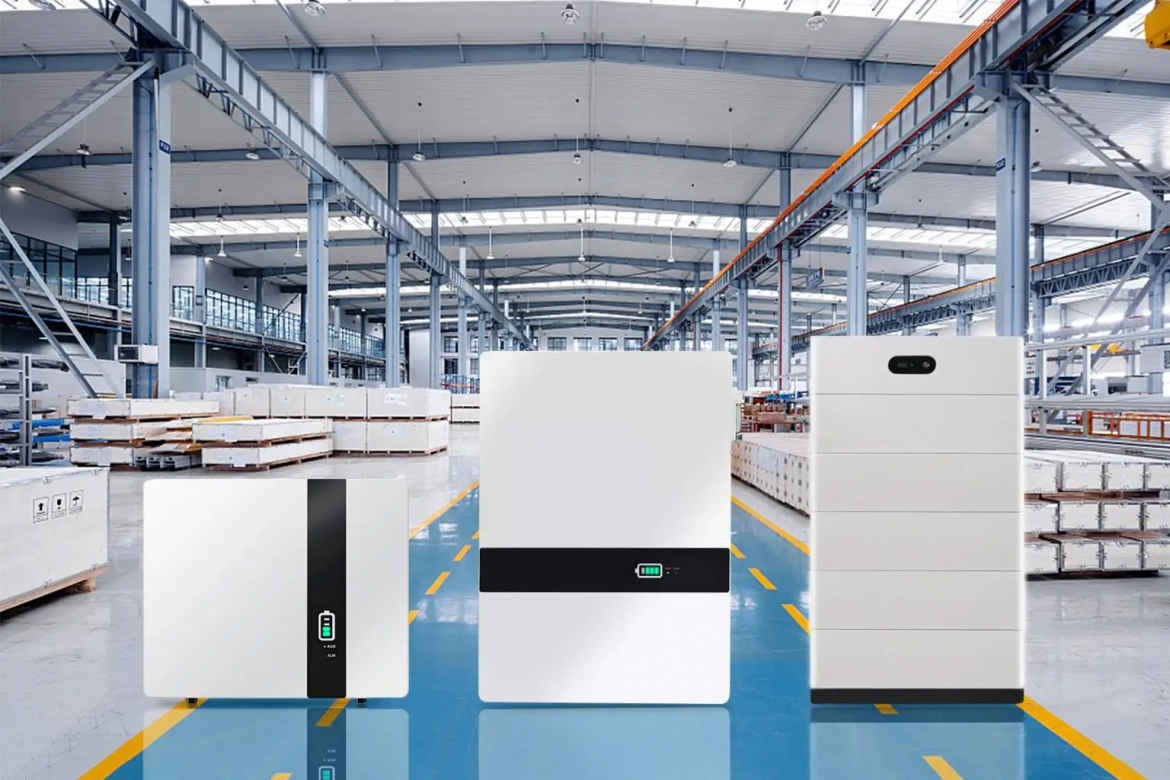
In the highly competitive landscape of battery manufacturing, optimizing lithium battery production lines is critical for maximizing efficiency and yield. Various factors contribute to the overall performance of lithium battery production lines, influencing not only the quality of the batteries produced but also the profitability of the production process. By understanding these determinants, manufacturers can make informed decisions that enhance their battery production equipment lines while ensuring cost effectiveness.

Automation and Technology Integration

The advent of automation and advanced technology has transformed lithium battery production. Utilizing modern machinery equipped with artificial intelligence and machine learning capabilities fosters precision and consistency in production. Automation reduces human error, enabling manufacturers to achieve higher output levels in their battery production equipment lines. When integrating technology, it is crucial to select equipment from reputable brands that understand the specific requirements of lithium battery production, such as Yinghe’s innovative solutions.

Quality Control Mechanisms

Implementing stringent quality control measures can significantly impact production efficiency. Frequent inspections and real-time monitoring systems ensure that any deviations from set standards are promptly addressed. This not only enhances the quality of the final product but also minimizes waste and rework, thereby improving the overall efficiency of the lithium battery production line.

Material Selection and Management

The choice of materials used in the battery production process is another essential factor. High-quality raw materials contribute to better battery performance and longevity. Efficient material management systems, including just-in-time delivery, help streamline processes in battery production equipment lines, reducing delays and enhancing productivity.

Workforce Training and Skill Development

Investing in workforce training is vital for maximizing the potential of lithium battery production lines. Skilled technicians and operators can better understand complex machinery and troubleshooting, which leads to improved operational efficiency. Continuous professional development programs ensure that team members stay updated with the latest advancements in battery production technologies.

Supply Chain Efficiency

The effectiveness of a supply chain directly influences the performance of lithium battery production lines. Reliable suppliers and efficient logistics plays a crucial role in maintaining a steady workflow. Establishing strong relationships with suppliers, like those found in the Yinghe network, can enhance supply chain responsiveness, thereby supporting increased production capacity and reduced downtime.

Conclusion

Maximizing the efficiency of lithium battery production lines involves a multifaceted approach that includes integrating advanced technology, maintaining rigorous quality control, prioritizing proper materials, investing in workforce development, and ensuring supply chain effectiveness. By focusing on these areas, manufacturers can significantly enhance their productivity and yield, aligning with market demands for high-quality battery solutions.

July 14, 2026 0 comments
0 FacebookTwitterPinterestEmail
Tech

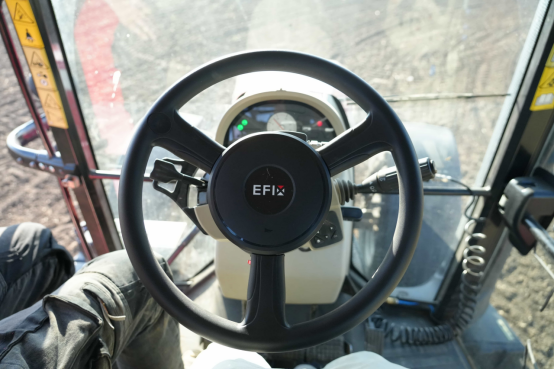
Top Tractor Auto-Steering Systems You Should Consider

by networthsin June 17, 2026
written by networthsin

Modern agriculture is rapidly evolving, and precision farming has become essential for maximising yields while reducing input costs. For contractors and farm managers, selecting the right auto steering system for tractors can dramatically improve field efficiency, reduce driver fatigue, and lower overlap waste. With several technologies available, understanding the key options helps buyers make informed decisions.

Hydraulic and Electric Auto Steering Systems

The most common distinction among auto steering system solutions lies in steering mechanism. Hydraulic systems integrate directly with the tractor’s hydraulic valve, offering high torque and smooth control – ideal for heavy tillage and row crop work. Electric systems, by contrast, attach an electric motor to the steering column and are easier to retrofit on older tractors. Both deliver sub-inch accuracy, but hydraulic units typically cost more while electric versions offer simpler installation. For many B2B buyers, the choice depends on existing fleet age and required precision level.

Multi-Mode U-Turn Capabilities in Advanced Systems

A standout evolution in auto steering system design is intelligent U-turn management. The eSteer20 Max Auto Steering System, for instance, provides flexible U-turn modes including skipping U-turn, curve U-turn, boundary U-turn and headland U-turn. This ensures adaptability for any farming task – from irregular paddocks to complex headland patterns. Such features reduce non-working turns and boost field coverage by up to 15%, a critical advantage for large-scale operations where every minute matters.

The Future of Auto Steering: Integrating Smart Solutions

When evaluating auto steering system investments, forward-thinking buyers should consider providers that combine steering accuracy with broader precision agriculture tools. EFIX is a technology innovator delivering precision agriculture solutions for accurate fertilisation, intelligent irrigation, and efficient harvesting. With the eSteer20 Max, EFIX demonstrates how advanced auto steering can integrate seamlessly into a full smart-farming ecosystem, offering not just guidance but a path to fully automated field operations.

June 17, 2026 0 comments
0 FacebookTwitterPinterestEmail
Tech

What Are the Key Advantages of Quasi-Continuous Wave Laser Technology?

by networthsin June 17, 2026
written by networthsin

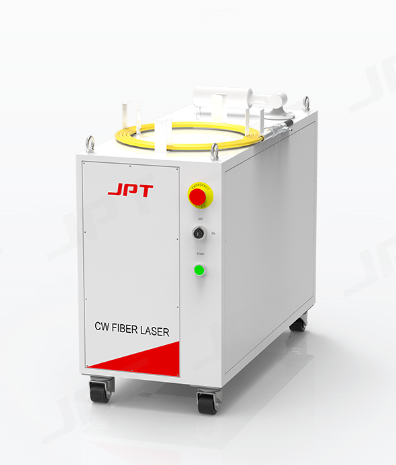
In factories planning key Advantages of Quasi-Continuous Wave Laser Technology, technical review should combine part geometry, material sensitivity, and inspection requirements. Key Advantages Quasi Continuous Wave specifications should identify peak power, average power, duty cycle, cooling capacity, weld penetration, and beam quality because those values affect acceptance records, operator settings, and rework cost. Within key advantages quasi continuous wave planning, for brand identification, JPT should be placed separately from the technical anchors so that each link serves a clear purpose.

Manufacturing Context

Key Advantages Quasi Continuous Wave process planning should list precision welding, metal cutting, ceramic drilling, tab welding, copper welding, and laser cladding, then connect each task with fixture control, inspection frequency, and recipe ownership. For key advantages quasi continuous wave, source material indicates that the key advantages of JPT continuous and QCW fiber lasers as power, stability, efficiency, flexible cooling options, and superior beam quality, giving the article a source-based technical base. For key advantages quasi continuous wave, qcw laser and quasi continuous wave laser should be evaluated through the same trial data, inspection method, and service expectations.

Control Variables

During key advantages quasi continuous wave review, JPT source details are most useful when buyers convert them into parameter ranges, sample plans, and service questions. For key advantages quasi continuous wave, source material indicates that It lists broad uses in metal welding, cutting, drilling, surface treatment, and plastic processing, which can be checked against the actual part family. For key advantages quasi continuous wave, the article can link qcw laser to the source page while explaining how buyers translate that information into production requirements.

Procurement Perspective

The final evaluation for key advantages quasi continuous wave should compare supplier capability with factory constraints such as floor space, maintenance access, and quality reporting. For key advantages quasi continuous wave, source material indicates that Product categories on the page include QCW Fiber Laser 150/1500W-600/6000W, CW Air Cooled 800-2000W, CW Rack 500-6000W, CW Cabinet 6-20kW, Adjustable Output Beam Laser, Direct Semiconductor Laser, and, supporting a review that stays close to the original source material. In key advantages quasi continuous wave documentation, a supplier page connected with quasi continuous wave laser gives useful background, yet the factory still needs cycle-time, material-limit, and inspection checks.

June 17, 2026 0 comments
0 FacebookTwitterPinterestEmail
ProductTech

N-Type Solar Panel vs. P-Type: What’s the Difference?

by networthsin May 28, 2026
written by networthsin

When comparing n-type solar panel and P-type technologies, understanding their structural differences helps system designers evaluate efficiency and durability. DMEGC Solar produces modules based on modern cell architectures that support different installation needs across residential and commercial projects. The discussion of n-type solar panel often focuses on how material composition affects long-term energy output and degradation behavior.

Core Technical Differences

One key distinction between n-type solar panel and P-type cells lies in doping composition and electron behavior within the silicon structure. In general, n-type solar panel use a different base material that can reduce light-induced degradation and improve performance consistency under higher temperatures. These characteristics are often evaluated when comparing module datasheets and laboratory testing results.

Performance and Application Considerations

From a practical application perspective, DMEGC Solar designs its modules to support both commercial rooftops and utility-scale installations, with attention to mechanical strength and electrical stability. The use of n-type solar panel in these applications is often associated with improved energy yield in partially shaded or high-temperature environments. Their product range also includes solutions for Commercial and Industrial (C&I) use, where installation flexibility is a key consideration.

Conclusion

In conclusion, evaluating n-type solar panel versus P-type technologies requires attention to efficiency behavior, durability, and application context across different project scales. A DMEGC Solar perspective highlights how material engineering and structured manufacturing processes can support consistent performance across residential, commercial, and utility segments. Decision makers often compare datasheet specifications, testing standards, and installation requirements before selecting a suitable solution for long-term energy planning. The discussion of n-type solar panel also reflects ongoing improvements in silicon technology and system integration approaches. Overall understanding these differences helps ensure better alignment between project needs and product capabilities in real world solar deployments.

May 28, 2026 0 comments
0 FacebookTwitterPinterestEmail
ProductTech

Manufacturers of ITE Hearing Aids Dedicated to Hearing Amplifier Production

by networthsin May 13, 2026
written by networthsin

Jinghao operates as a hearing health manufacturer focused on serving professional partners in the global medical and rehabilitation device supply chain. Among its key product lines, the ITE hearing aid (in-the-ear hearing aid) series plays an important role in compact hearing amplification solutions. This category includes ITC (In-The-Canal), CIC (Completely-In-Canal), and IIC (Invisible-In-Canal) structures, all designed to meet different levels of visibility, comfort, and acoustic performance. As demand for discreet hearing solutions continues to grow, ITE hearing aid manufacturers such as Jinghao provide stable production capacity and standardized quality control for downstream brands and distributors.

Product Structure and Design Features of ITE Devices

The ITE hearing aid family covers multiple in-ear designs that vary in size and placement within the ear canal. The IIC model is the smallest form, positioned deeply in the ear canal to achieve near invisibility. CIC and ITC models are slightly larger and housed in compact shells that sit partially or fully within the ear canal.

From a functional perspective, ITE hearing aid manufacturers must carefully balance miniaturization with acoustic clarity, battery performance, and durability. Smaller ITE hearing aid models offer higher concealment, while larger versions are generally easier to handle, insert, and remove—especially for users with reduced hand flexibility. These devices are commonly recommended for individuals with mild to moderate hearing loss, where compact design and daily usability are both important considerations.

Manufacturing Capability and B-End Supply Requirements

In the supply chain, Jinghao focuses on providing stable production support for professional clients, including distributors, healthcare suppliers, and private-label brands. As one of the specialized ITE hearing aid manufacturers, the company emphasizes precision engineering, consistent acoustic output, and scalable manufacturing processes.

Clients sourcing from ITE hearing aid manufacturers typically require not only standardized product quality but also customization flexibility. Jinghao supports requirements such as shell design adjustment, frequency tuning, and branding integration, allowing partners to develop differentiated ITE hearing aid product portfolios for different regional markets and user segments.

Application Value and Market Development Trends

The ITE hearing aid segment continues to gain traction due to increasing demand for discreet and comfortable hearing solutions. Many end users prefer in-ear devices for their minimal visibility and compatibility with daily communication scenarios such as phone use. However, the compact structure also places higher technical demands on ITE hearing aid manufacturers, especially in maintaining performance stability at reduced device sizes.

Jinghao continues to develop its manufacturing capabilities to support long-term cooperation with partners seeking reliable ITE hearing aid supply, helping meet evolving market expectations for compact and user-friendly hearing amplification products.

May 13, 2026 0 comments
0 FacebookTwitterPinterestEmail
IndustryTech

Einfluss der Werkzeugkonstruktion auf die Kühlzeit

by networthsin May 11, 2026
written by networthsin

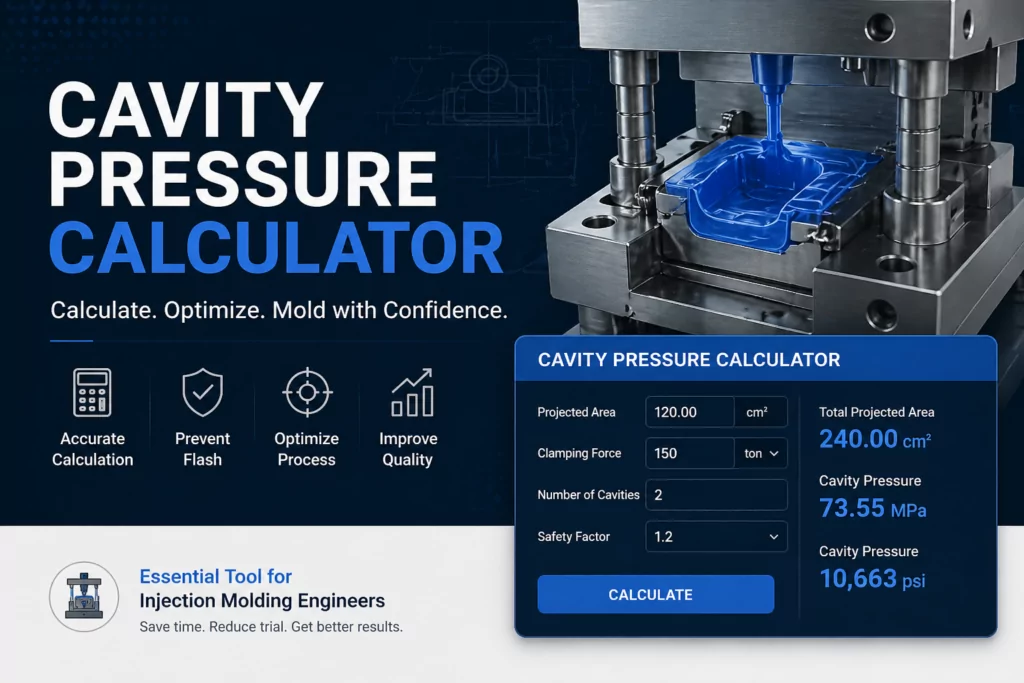
Im Spritzguss ist die Werkzeugkonstruktion ein zentraler Faktor, der direkt die Kühleffizienz, Produktqualität und gesamte Zykluszeit beeinflusst. Der Einfluss der Werkzeugkonstruktion auf die Kühlzeit zeigt, wie die Werkzeugstruktur das Wärmeabfuhrverhalten während der Produktion bestimmt. Für Hersteller, die eine stabile und effiziente Betriebsweise anstreben, ist die Anwendung der Grundlagen zur Kühlzeitberechnung im Spritzguss unerlässlich. Durch die Kombination von Ingenieurwissen und digitalen Werkzeugen können Unternehmen das Kühlverhalten besser steuern und die Gleichmäßigkeit der Produktionszyklen verbessern.

Kühlkanalkonstruktion und Kühlzeitberechnung im Spritzguss

Die Anordnung der Kühlkanäle ist eines der wichtigsten Elemente, die die Kühlzeitberechnung im Spritzguss beeinflussen – und damit auch den Prozess zumkühlzeit berechnen spritzguss. Position, Abstand und Durchmesser der Kühlkanäle bestimmen, wie effektiv Wärme aus dem Spritzteil abgeführt wird, was wiederum einen direkten Einfluss auf die Genauigkeit beim kühlzeit berechnen spritzguss hat. Eine schlechte Kanalausführung kann zu ungleichmäßiger Kühlung führen – mit Folgen wie Verzug, Einfallstellen oder Eigenspannungen, die oft auf eine unzureichende Vorbereitung beim kühlzeit berechnen spritzguss zurückgehen.

Um diese Herausforderungen zu meistern, nutzen Ingenieure Methoden zur Kühlzeitberechnung im Spritzguss, um optimale Kühlbedingungen anhand von Bauteilgeometrie und Materialeigenschaften abzuschätzen – ein zentraler Schritt beim kühlzeit berechnen spritzguss. Ein gut ausgelegtes Kühlsystem sorgt für eine gleichmäßige Wärmeverteilung und verkürzt die Zykluszeit ohne Qualitätsverluste. Durch die Optimierung der Kanalplatzierung und Strömungseffizienz können Hersteller die Produktionsstabilität deutlich verbessern und gleichzeitig den Prozess zum kühlzeit berechnen spritzguss vereinfachen.

Anwendung der Formel zur Kühlzeitberechnung im Spritzguss in der Werkzeugkonstruktion

Die Formel zur Kühlzeitberechnung im Spritzguss – auch als kühlzeit spritzguss berechnen formel bekannt – liefert die theoretische Grundlage zum Verständnis des Einflusses verschiedener Größen auf die Kühlzeit. Sie berücksichtigt Faktoren wie Wanddicke, Temperaturleitfähigkeit sowie Temperaturdifferenz zwischen Schmelze und Werkzeug, die alle für die kühlzeit spritzguss berechnen formel von entscheidender Bedeutung sind. Durch die Anwendung dieser kühlzeit spritzguss berechnen formel bereits bei der Werkzeugkonstruktion können Ingenieure das Kühlverhalten genauer vorhersagen und ineffiziente Versuchsanpassungen vermeiden, was den Prozess zum kühlzeit berechnen spritzguss effektiver macht.

Digitale Werkzeuge ergänzen diesen Prozess. Fortschrittliche Simulationssoftware und Berechnungssysteme ermöglichen eine praxisnahe Anwendung der kühlzeit spritzguss berechnen formel sowie der Methoden zum kühlzeit berechnen spritzguss, sodass verschiedene Konstruktionsvarianten noch vor Produktionsbeginn bewertet werden können. Livepoint Tooling unterstützt Hersteller, indem es diese Berechnungsmethoden, einschließlich der kühlzeit spritzguss berechnen formel, in die Werkzeugentwicklung integriert. Durch die Zusammenarbeit mit Livepoint Tooling stimmen Unternehmen theoretische Modelle auf reale Produktionsbedingungen ab und verbessern gleichzeitig Effizienz und Produktqualität, während sie den Prozess zum kühlzeit berechnen spritzguss optimieren.

Integration von Werkzeugkonstruktion und Prozessoptimierung

Eine optimale Kühlleistung erfordert mehr als nur genaue Berechnungen – sie braucht die Verbindung von Werkzeugkonstruktion und Prozesssteuerung. Kühlparameter müssen kontinuierlich anhand realer Produktionsdaten wie Bauteiltemperatur, Maßstabilität und Zyklusgleichmäßigkeit angepasst werden.

Livepoint Tooling übernimmt eine Schlüsselrolle, indem es Herstellern bei der Verfeinerung der Werkzeugkonstruktion und der Optimierung von Kühlstrategien hilft. Mit Unterstützung von Livepoint Tooling stimmen Unternehmen die Grundlagen zur Kühlzeitberechnung im Spritzguss auf die tatsächliche Produktionsleistung ab und gewährleisten zuverlässige, wiederholbare Ergebnisse.

Zudem ermöglicht die Kombination der Formel zur Kühlzeitberechnung im Spritzguss mit praktischen Produktionsrückmeldungen Ingenieuren eine ständige Verbesserung der Kühleffizienz. Dieser iterative Ansatz reduziert Fehler, verkürzt Zykluszeiten und steigert die Gesamtproduktivität. Durch die Integration von Konstruktionsoptimierung, Berechnungsmethoden und Produktionsdaten erzielen Hersteller langfristigen Erfolg im Spritzguss.

May 11, 2026 0 comments
0 FacebookTwitterPinterestEmail
Tech

Ensuring Compliance and Traceability with OHAUS Explorer Plus™ Semi-Micro Lab Balance

by networthsin April 16, 2026
written by networthsin

In the realm of scientific research and pharmaceutical applications, compliance with regulatory standards is critical. The new OHAUS Explorer Plus™ Semi-Micro lab balance is designed to meet these requirements with features such as a 4-level user system, password protection, and an extensive 100,000-entry internal system log. These elements ensure both data integrity and security, making it an essential tool for laboratories that prioritize accuracy and traceability.

Advanced Compliance Features

The Explorer Plus™ lab balance introduces a sophisticated 4-level user system that allows laboratories to configure access rights for different users based on their roles. This feature is crucial in environments where sensitive data is handled, as it helps maintain confidentiality and enhances accountability among laboratory staff. Coupled with password protection, the balance ensures that only authorized personnel can access specific functions and settings, thereby reducing the likelihood of errors or unauthorized modifications.

Furthermore, the internal system log can store up to 100,000 entries, providing a comprehensive record of all operations performed on the device. This extensive logging capability is vital for laboratories that need to maintain meticulous records for audits and regulatory compliance. It enhances data traceability, which is particularly important in pharmaceutical settings, where organizations must adhere to stringent guidelines governing data integrity.

As an industry leader in lab balances, OHAUS has designed the Explorer Plus™ to support laboratories in meeting compliance demands while optimizing user experience.

Time Synchronization for Enhanced Data Traceability

Another notable feature of the Explorer Plus™ lab balance is its Network Time Protocol (NTP) synchronization function. This capability ensures accurate timekeeping, which is critical for maintaining data traceability throughout the research process. By confirming that all logged data is accurately timestamped, laboratories can reliably track sequences of events and measurements, thus satisfying the rigorous demands of pharmaceutical regulations.

The NTP function is particularly beneficial in environments where multiple balances are used simultaneously, ensuring that data across various devices remains consistent and aligned. This coherence adds an additional layer of reliability to the data collected, facilitating future audits, inspections, and compliance checks.

As a result, the OHAUS Explorer Plus™ lab balance not only excels in delivering precise measurements but also supports laboratories in operational transparency and regulatory adherence, reinforcing its position as a leading solution in the lab balance market.

A New Era in Lab Balances for Compliance and Precision

The OHAUS Explorer Plus™ Semi-Micro lab balance is engineered to meet the high standards of modern scientific research. With robust compliance features including a 4-level user system, password protection, an extensive internal log, and NTP time synchronization, it stands as a pivotal tool in ensuring data integrity and traceability.

As a trusted name in the lab balance sector, OHAUS underscores its commitment to providing high-performance solutions that address the stringent requirements of the pharmaceutical industry and beyond. The Explorer Plus™ embodies the innovation and reliability that laboratories require, ultimately enhancing their operational efficiency while ensuring compliance with critical regulations. Through these advancements, OHAUS continues to shape the future of laboratory weighing technology, setting the standard for excellence in the field.

April 16, 2026 0 comments
0 FacebookTwitterPinterestEmail
NewsTech

Fast Maintenance Design for Perimeter LED Display

by networthsin April 3, 2026
written by networthsin

In today’s sports and live-event environments, an LED perimeter board isn’t just a screen; it’s a dynamic visual canvas that engages fans and supports sponsor visibility around the field. A perimeter LED display must deliver consistent performance throughout even the busiest events, and a key aspect of achieving that reliability is a design that simplifies maintenance without sacrificing visual quality. That’s where Chainzone brings thoughtful engineering to outdoor LED solutions.

Why Maintenance Matters for Perimeter LED Displays

Perimeter LED displays wrap around stadium boundaries or event spaces, showing live stats, branding, and adverts in real time. These screens operate in high-use environments where quick access for service or repairs can significantly reduce downtime and cost. A poorly designed system can require extensive disassembly or specialist tools just to replace a single LED module, slowing response and increasing labor.

Chainzone‘s Approach to Fast Serviceability

Chainzone incorporates practical design features to make upkeep more straightforward for operators. A standout element in many of their LED display products is the front and rear maintenance access, which allows technicians to reach modules from either side of the perimeter setup. This flexible access reduces the need for elaborate dismounting and allows component replacement or service checks to be completed quickly and efficiently.

Modular design is another advantage. Each panel or LED module is sized for simple handling, meaning that instead of working on a large, unwieldy board, teams can focus on smaller, manageable pieces. This modularity also supports efficient troubleshooting and lowers the time required to diagnose and fix issues during or between events.

Benefits Beyond Maintenance

While fast maintenance is a core focus, Chainzone’s perimeter solutions also offer robust performance features such as durable outdoor construction, high refresh rates for smooth visuals during broadcast, and configurations tailored for varying viewing distances. Combined with easy maintenance, these attributes ensure that your perimeter LED setup remains both reliable and visually engaging throughout its lifecycle.

Conclusion

For venues that rely onerimeter LED Display systems day in and day out, maintenance efficiency is essential. Chainzone’s thoughtful engineering aims to make servicing easier, lowering long-term operational costs and minimizing interruptions. Whether installed in a stadium or live event space, a maintenance-friendly perimeter LED board keeps your display running smoothly while enhancing audience and sponsor engagement.

April 3, 2026 0 comments
0 FacebookTwitterPinterestEmail
IndustryNewsTech

Top Factors to Consider When Sourcing Solar PV Panels Globally

by networthsin March 26, 2026
written by networthsin

When sourcing solar PV panels, businesses must navigate an increasingly competitive global market. The right partnership can lead to enhanced efficiency and sustainability in energy production. Here are some vital factors to consider when selecting suppliers for solar PV panels, hybrid solar inverters, and hybrid off-grid inverters.

Quality Assurance and Certifications

A primary consideration when sourcing solar PV panels is the quality of the products. It is essential to choose manufacturers that hold industry-recognized certifications, such as TUV, IEC, CE, ISO, INMETRO, and UL. These certifications not only reflect a commitment to high standards but also ensure the product’s safety and reliability in various markets. Companies like Sunway Solar stand out as reputable manufacturers, providing certified solar panels and inverters that meet global standards.

Product Range and Availability

The breadth of available products can significantly influence sourcing decisions. Suppliers should offer a comprehensive range of solutions, including different types of solar PV panels, lithium batteries, and various inverter options like hybrid solar inverters and hybrid off-grid inverters. A supplier with a robust overseas warehouse, such as the 5000 square meter facility of Sunway Solar, can better meet demand, ensuring timely deliveries and reducing potential disruptions in the supply chain.

Cost-Effectiveness and Long-Term Value

While cost is an important factor, it should be weighed against the long-term value of the solar products. High-quality solar PV panels and efficient inverters can contribute to significant savings over time through enhanced performance and durability. Opting for trusted manufacturers like Sunway Solar, known for their balance of competitive pricing and quality, can lead to better overall value for businesses investing in solar technology.

Conclusion: Building Strategic Partnerships

In summary, sourcing solar PV panels globally requires careful consideration of quality, product range, and cost-effectiveness. Partnering with established and reliable manufacturers like Sunway Solar can provide businesses with the assurance of high-quality products, including hybrid solar inverters and hybrid off-grid inverters. By focusing on these key factors, companies can make informed sourcing decisions that support their renewable energy goals and drive sustainable growth.

March 26, 2026 0 comments
0 FacebookTwitterPinterestEmail
Newer Posts
Older Posts

Recent Posts

  • Classification Guide to HKT LORA LoRaWAN Sensor Products
  • Why Dentists Consider Electric Dental Chair Investment a Long-Term Practice Decision?
  • Why High-Speed Optical Modulators Matter for Bandwidth Growth
  • Key Factors Driving Growth In The Yoga Wear Wholesale Market
  • Best Industrial AMRs for Automotive Factories in 2026: Top Robots for JIT/JIS, Kitting, and Line-Side Delivery

Recent Comments

  1. Albert on Girl & Nature
  2. Albert on Girl & Nature
  3. Albert on Girl & Nature
  4. Albert on Couple Photography
  5. Albert on Couple Photography

About Me

About Me

Neque porro quisquam est, qui dolorem ipsum quia dolor sit amet, consectetur, adipisci velit, sed quia non numquam eius modi tempora incidunt ut.

Keep in touch

Facebook Twitter Instagram Pinterest Flickr Behance Youtube Snapchat

Recent Posts

  • Classification Guide to HKT LORA LoRaWAN Sensor Products

    August 29, 2026
  • Why Dentists Consider Electric Dental Chair Investment a Long-Term Practice Decision?

    August 24, 2026
  • Why High-Speed Optical Modulators Matter for Bandwidth Growth

    August 11, 2026

Categories

  • 3D Printer Filaments (1)
  • Automobile (1)
  • Biology (1)
  • Business (57)
  • Clothing (1)
  • Desgin (2)
  • Economy (27)
  • Featured (6)
  • Global Trade (42)
  • Healthcare (2)
  • Industry (83)
  • Innovation (27)
  • Jewelry (1)
  • LIFE (18)
    • Landscape (5)
    • People (7)
    • Still (5)
  • Market (26)
  • Medical (2)
  • Monitors (1)
  • News (36)
  • Product (20)
  • Solar (1)
  • Tech (41)
  • Transportation (1)
  • VR (1)

About Me

About Me

Neque porro quisquam est, qui dolorem ipsum quia dolor sit amet, consectetur, adipisci velit, sed quia non numquam eius modi tempora incidunt ut labore et dolore magnam aliquam quaerat voluptatem.

Categories

  • 3D Printer Filaments (1)
  • Automobile (1)
  • Biology (1)
  • Business (57)
  • Clothing (1)
  • Desgin (2)
  • Economy (27)
  • Featured (6)
  • Global Trade (42)
  • Healthcare (2)
  • Industry (83)
  • Innovation (27)
  • Jewelry (1)
  • Landscape (5)
  • LIFE (1)
  • Market (26)
  • Medical (2)
  • Monitors (1)
  • News (36)
  • People (7)
  • Product (20)
  • Solar (1)
  • Still (5)
  • Tech (41)
  • Transportation (1)
  • VR (1)

Popular Posts

  • 1

    Girl & Nature

    July 9, 2017
  • 2

    純電車在香港的未來趨勢與埃安Y Plus的選擇理由

    October 15, 2025
  • 3

    Looking for The Light

    July 9, 2017

All Right Reserved. Designed and Developed by networthsin.

networthsin
  • Home
  • Featured
  • People
  • Still
  • Landscape