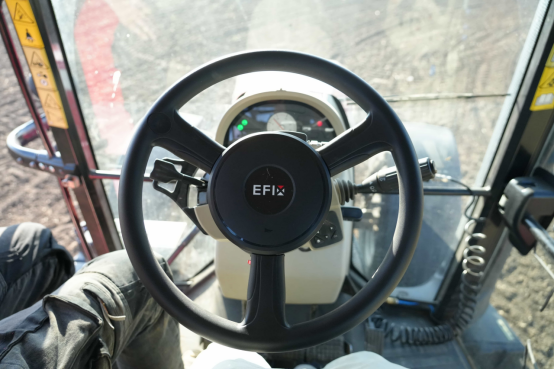
Modern agriculture is rapidly evolving, and precision farming has become essential for maximising yields while reducing input costs. For contractors and farm managers, selecting the right auto steering system for tractors can dramatically improve field efficiency, reduce driver fatigue, and lower overlap waste. With several technologies available, understanding the key options helps buyers make informed decisions.
Hydraulic and Electric Auto Steering Systems
The most common distinction among auto steering system solutions lies in steering mechanism. Hydraulic systems integrate directly with the tractor’s hydraulic valve, offering high torque and smooth control – ideal for heavy tillage and row crop work. Electric systems, by contrast, attach an electric motor to the steering column and are easier to retrofit on older tractors. Both deliver sub-inch accuracy, but hydraulic units typically cost more while electric versions offer simpler installation. For many B2B buyers, the choice depends on existing fleet age and required precision level.
Multi-Mode U-Turn Capabilities in Advanced Systems
A standout evolution in auto steering system design is intelligent U-turn management. The eSteer20 Max Auto Steering System, for instance, provides flexible U-turn modes including skipping U-turn, curve U-turn, boundary U-turn and headland U-turn. This ensures adaptability for any farming task – from irregular paddocks to complex headland patterns. Such features reduce non-working turns and boost field coverage by up to 15%, a critical advantage for large-scale operations where every minute matters.
The Future of Auto Steering: Integrating Smart Solutions
When evaluating auto steering system investments, forward-thinking buyers should consider providers that combine steering accuracy with broader precision agriculture tools. EFIX is a technology innovator delivering precision agriculture solutions for accurate fertilisation, intelligent irrigation, and efficient harvesting. With the eSteer20 Max, EFIX demonstrates how advanced auto steering can integrate seamlessly into a full smart-farming ecosystem, offering not just guidance but a path to fully automated field operations.
