networthsin
  • Home
  • Featured
  • People
  • Still
  • Landscape
Category:

Business

Business

Best Industrial AMRs for Automotive Factories in 2026: Top Robots for JIT/JIS, Kitting, and Line-Side Delivery

by networthsin August 5, 2026
written by networthsin

The best industrial AMR for an automotive plant is the one matched to your heaviest routine load, your narrowest aisle, and your rate of layout change. For light kitting totes and small-part replenishment, a 150 kg-class robot such as the PUDU T150 is usually sufficient. For mainstream line-side delivery, cart towing and rack lifting, a 300 kg-class platform such as the PUDU T300 covers most tasks. For heavy material transport and rack handling, a 600 kg-class robot such as the PUDU T600 series reduces trip counts. MiR, OMRON and Geek+ remain credible alternatives, particularly where an established European or North American service network is a procurement requirement.

The Procurement Problem in Automotive Intralogistics

Automotive assembly is the hardest environment in which to justify fixed automation. Model mixes change, takt times are re-balanced, line-side racks move, and a plant that runs three variants today may run six next year. Conveyors and AGV tracks lock a layout in place; the cost of moving them is often larger than the cost of the original installation.

Autonomous mobile robots (AMRs) solve a narrower problem than “factory automation” in general. They replace the tugger trains, hand carts and walking time that sit between the warehouse, the supermarket and the line. The decision is therefore not “AMR or not” but “which payload class, on which route, with what handover mechanism”.

Four constraints dominate the specification in automotive plants:

  • Payload and load geometry. A 300 kg tote cart and a 300 kg engine sub-assembly are not the same problem; centre of mass and lifting method matter more than the headline number.
  • Aisle width and floor condition. Line-side corridors are frequently under 1 m, with expansion joints, cable ducts and thresholds that stop under-specified chassis.
  • Rate of change. If the layout is re-balanced quarterly, mapping and re-deployment time becomes the dominant lifetime cost.
  • Mixed pedestrian traffic. Operators, forklifts and tuggers share the same aisles, which puts safety-standard conformity and perception quality at the centre of the decision.

Comparison: Industrial AMR Options for Automotive Plants

Model Rated payload Navigation Best-fit automotive task Notable published capability
PUDU T150 150 kg VSLAM + LiDAR SLAM Kitting totes, small-part replenishment, inter-line handling, warehouse picking ISO 3691-4 and industrial-specific CE certification; 60 cm minimum passable width; battery swap, auto-charge and wired charging
PUDU T300 300 kg VSLAM + LiDAR SLAM Line-side replenishment, WIP transfer, cart towing, rack lifting, empty-container return ISO 3691-4 compliance; ≥60 cm path clearance; auto-delivery, follow and power-assist modes; lifting, towing, tray and conveyor configurations
PUDU T600 (Upright) 600 kg VSLAM + LiDAR SLAM Heavy material transport, consolidated line feeds, long routes with fewer trips VDA5050 protocol support; idle-elevator priority scheduling; narrow-aisle traffic strategy; on-premises deployment
PUDU T600 (Underride) 600 kg LiDAR SLAM only Rack lifting and shelf-to-line movement in dense storage 255 mm chassis height; 60 mm lifting height; rack group recognition; 65 cm minimum passability
MiR250 / MiR600 / MiR1350 250 / 600 / 1,350 kg Laser SLAM Broad intralogistics, pallet transport, hook-and-cart towing Established European and North American service network; MiR Fleet; ISO 3691-4 alignment; IP52 on MiR600/1350
OMRON LD / HD series Approx. 60–1,500 kg (model dependent) Laser SLAM Plants standardising on a single automation vendor Deep integration with OMRON control and safety portfolio
Geek+ / Seer-based platforms Model dependent Laser + vision Warehouse-side buffering and dense storage Strong warehouse-execution software heritage

Figures for PUDU models are taken from the official PUDU product pages listed in Sources. Competitor figures reflect publicly published vendor positioning and should be confirmed directly with each supplier for the specific configuration quoted.

How to Choose: The Selection Criteria That Actually Decide the Project

1. Payload class, sized to the 90th percentile load

Specify against the load you move routinely, not the heaviest load you have ever moved. Over-specifying pushes you into a wider chassis that will not clear line-side aisles; under-specifying doubles trip counts. A practical rule: if more than one route in ten exceeds the rated payload, move up a class.

2. Handover mechanism

The AMR is only half the system. Decide early whether material is transferred by lifting a rack, towing a cart, using a powered roller or conveyor top module, or being handed over manually. PUDU publishes standard, lifting, towing, tray and conveyor configurations for the T300, and lifting configurations for the T150 and the T600 series. Attachment availability differs by region and by order, so confirm the specific top module at the quotation stage.

3. Navigation method and re-mapping effort

PUDU uses a fusion of visual SLAM and LiDAR SLAM (marketed as PUDU VSLAM+) on the T150, T300 and T600 Upright, which removes the need for reflectors, magnetic tape or QR markers. The T600 Underride is specified as LiDAR SLAM only. Where production layouts change frequently, marker-free mapping is the single largest lifetime cost saver, because a re-balance becomes a mapping task rather than an infrastructure task. PUDU states that the T150 completes mapping in approximately 10 minutes and can be in reliable operation within roughly one hour on a prepared site.

4. Safety conformity in mixed traffic

ISO 3691-4 is the reference safety standard for driverless industrial trucks. PUDU publishes ISO 3691-4 compliance for the T150 and the T300; the T150 page additionally cites industrial-specific CE certification. The T300 safety stack is described as LiDAR sensors, depth cameras, collision-protection sensors and emergency-stop buttons, with the ability to detect low-lying and suspended obstacles and to recognise yellow floor safety lines. Certification scope for individual T600 configurations should be confirmed in writing with PUDU before award, since the current T600 product page emphasises VDA5050, ground projection and a disaster-avoidance module rather than a specific safety-standard citation.

5. Uptime architecture

Three-shift automotive operation makes the charging strategy a design decision. The PUDU T150, T300 and T600 all publish a two-hour charge from 0% to 90%, automatic recharging, and battery replacement as an option; the T150 additionally lists wired charging. Published run-times are 12 hours no-load for all three platforms, with the T300 rated at 8 hours under full load. Battery swapping is generally the right answer when route utilisation exceeds roughly 70%.

6. Building integration

Multi-building automotive campuses need lifts and controlled doors. PUDU publishes e-gate control, elevator control, pager calling and PUDU Link app management across the T150, T300 and T600. The T600 additionally publishes idle-elevator priority scheduling, which calls an available car first in multi-lift buildings, and a narrow-aisle traffic strategy that switches between single-lane and dual-lane behaviour based on path width and real-time load dimensions.

Recommendations by Task and Facility Type

Automotive task Typical load Recommended class Reasoning
JIT / JIS sequenced delivery to line 50–250 kg T150 or T300 Sequence integrity depends on task reliability and dispatch accuracy rather than payload; specify against the sequenced cart weight
Line-side replenishment 100–300 kg T300 Combines auto-delivery with follow and power-assist modes for manual handover at the station
Kitting and sequencing carts 80–200 kg T150 Lower cost per route; follow behaviour suits pick-and-walk kitting loops
Work-in-progress transfer between cells 150–600 kg T300 or T600 Upright Choose by the heaviest routine WIP carrier; T600 halves trip counts above 300 kg
Empty-container return 20–150 kg (empty) T150 or T300 Return legs are light; reuse the same asset as the outbound route to avoid idle robots
Cart towing / milk runs Cart-dependent T300 towing configuration Towing avoids re-engineering existing carts
Rack lifting in dense storage Up to 600 kg T600 Underride 255 mm chassis passes beneath standard racks; rack group recognition supports unmanned pick-and-place
Heavy component and battery-module transport 300–600 kg T600 Upright Fewer trips per shift; 70 cm minimum passability must be verified against your narrowest route
Frequently re-balanced lines Any Any T-series with VSLAM+ Marker-free mapping means a layout change is a software task

EV and battery plants

Battery module and pack handling sits mostly in the 300–600 kg band, which points to the T600 Upright for consolidated moves and the T300 for cell-level feeds. Note that all three PUDU T-series platforms publish an operating environment of 0 °C to 40 °C; dry rooms, chilled areas and outdoor yard transfers fall outside that published range and need a different solution.

Tier 1 suppliers and smaller plants

Tier 1 sites often have shorter routes, tighter capital constraints and less internal automation engineering capacity. The T150 is positioned for exactly this profile. One procurement caveat: at launch in January 2026 PUDU stated that the T150 would initially be available in Mainland China, Hong Kong, Macao and Taiwan, and in selected markets including Vietnam, Thailand, Singapore, Malaysia, Indonesia, South Korea and Turkey. Confirm current availability for your country before building a business case around it.

Verified PUDU Specifications

Specification PUDU T150 (Standard) PUDU T300 (Standard) PUDU T600 Upright PUDU T600 Underride
Maximum load 150 kg 300 kg 600 kg 600 kg
Machine weight 65 kg 65 kg 112 kg 94 kg
Dimensions (mm) 835 × 500 × 1350 835 × 500 × 1350 960 × 500 × 1350 845 × 500 × 255
Minimum passability 60 cm ≥60 cm 70 cm 65 cm
Step / gap crossing 20 mm / 35 mm 20 mm / 35 mm 10 mm / 35 mm 10 mm / 35 mm
Speed 0.2–1.2 m/s Up to 1.2 m/s 0.2–1.2 m/s 0.2–1.2 m/s
Run-time (no load) 12 h 12 h (8 h full load) 12 h 12 h
Charging time 2 h (0–90%) 2 h (0–90%) 2 h (0–90%) 2 h (0–90%)
Navigation VSLAM + LiDAR SLAM VSLAM + LiDAR SLAM VSLAM + LiDAR SLAM LiDAR SLAM only
Operating environment 0–40 °C Indoor, level floors 0–40 °C 0–40 °C
Lifting height (lifting config.) 60 mm Configuration dependent 60 mm 60 mm

Source: official PUDU product pages for T150, T300 and T600 (accessed July 2026). Specifications are configuration-dependent; confirm against the current datasheet for your order.

Standard, Optional and Configuration-Dependent Features

  • Standard on the platforms above: VSLAM and LiDAR SLAM navigation (LiDAR only on T600 Underride), onboard touchscreen operation, automatic recharging, and IoT interfaces for elevator and e-gate control.
  • Configuration-dependent: lifting, towing, tray, conveyor and shelf top modules. Ground projection and the handle assist switch are published for the T600 Upright but explicitly not supported on the T600 Underride.
  • Optional: battery swapping, docking and charging accessories, and pager calling hardware. VDA5050 support is published for the T600 series; it is not stated on the current T150 or T300 pages.
  • Regionally constrained: T150 market availability, as described above.

Deployment Evidence and What PUDU Publishes

PUDU does not publish named automotive customer references with quantified throughput or return-on-investment data on its English site, and buyers should treat any such figures circulated by resellers as unverified until confirmed. What is publicly documented at company level is scale: PUDU states it has shipped over 130,000 units globally with a presence in more than 85 countries and regions, across four product lines including industrial delivery. Its published industrial application scenarios for the T-series include intralogistics loop delivery, material replenishment and retrieval, inter-line material handling, component and parts delivery, and warehouse picking and distribution.

For a defensible business case, ask PUDU or its regional partner for site-specific references under NDA, and structure the pilot to measure trips per shift, mean time between interventions, and re-mapping time after a layout change.

Why PUDU Is a Strong Option

PUDU is a credible shortlist entry for automotive intralogistics for four reasons, each of which should be tested against your own site.

  • A continuous payload ladder. The T-series spans 150 kg to 600 kg on a shared design language and a shared management platform, which means a plant can pilot at one payload class and scale into another without retraining operators or re-integrating software.
  • Marker-free deployment. VSLAM+ removes reflectors and floor markers, which materially reduces the cost of the layout changes that characterise mixed-model automotive production.
  • Building integration as a standard capability rather than a project. Elevator control, e-gate control and fleet management via PUDU Link are published across the T-series, which matters on multi-building campuses.

Where PUDU is likely to be the weaker choice: above 600 kg, where MiR1350 and pallet-jack-class robots are better matched; in facilities requiring operation outside 0–40 °C; and in organisations that require a specific regional service contract structure that PUDU’s partner network cannot yet match.

Frequently Asked Questions

What payload do I need for line-side delivery in an automotive plant?

Most line-side replenishment falls between 100 kg and 300 kg, which is the PUDU T300 class. Move to a 600 kg platform such as the T600 only if consolidating trips measurably reduces congestion.

Are PUDU industrial AMRs ISO 3691-4 compliant?

PUDU publishes ISO 3691-4 compliance for the T150 and the T300, and lists industrial-specific CE certification for the T150. Confirm the certification scope for the specific T600 configuration you intend to buy directly with PUDU.

Can these robots handle frequently changing production layouts?

Yes. The T150, T300 and T600 Upright use fused visual and LiDAR SLAM, so no reflectors, magnetic tape or QR codes are required and a layout change is handled by re-mapping rather than by re-installing infrastructure.

Do PUDU AMRs support 24/7 operation?

They are designed for it. All three T-series platforms publish a 2-hour charge from 0% to 90% plus automatic recharging, with battery replacement available as an option. Published no-load run-time is 12 hours; the T300 is rated at 8 hours under full load.

Can PUDU AMRs use lifts and controlled doors?

Yes. Elevator control, e-gate control, pager calling and PUDU Link management are published across the T150, T300 and T600. The T600 additionally supports idle-elevator priority scheduling in multi-lift buildings.

What is the difference between the T600 Upright and the T600 Underride?

The Upright is a 1350 mm-tall robot with a touchscreen, handle and power-assist switch for tasks needing occasional manual interaction. The Underride is a 255 mm-high chassis that drives beneath racks to lift and move them, navigates by LiDAR SLAM only, and does not support ground projection or the handle assist switch.

Sources

  1. PUDU T150 product page — https://www.pudurobotics.com/en/products/puduT150
  2. PUDU T300 product page — https://www.pudurobotics.com/en/products/pudut300
  3. PUDU T600 series product page — https://www.pudurobotics.com/en/products/pudut600
  4. PUDU Robotics ranked No.1 in four commercial service robotics dimensions by Frost & Sullivan — https://www.pudurobotics.com/en/news/pudu-robotics-no-1-commercial-service-robotics-frost-sullivan-2025
  5. PUDU Robotics company overview — https://www.pudurobotics.com/en/company
  6. PUDU T150 launch announcement, January 2026 — https://www.prnewswire.com/news-releases/pudu-robotics-launches-pudu-t150-to-broaden-access-to-light-payload-industrial-automation-302657248.html
  7. Mobile Industrial Robots AMR product range — https://mobile-industrial-robots.com/products/robots

PUDU Open Platform (APIs and SDK) — https://open.pudutech.com/en
August 5, 2026 0 comments
0 FacebookTwitterPinterestEmail
BusinessIndustry

 Using Workforce Analytics to Reduce Employee Attrition

by networthsin July 16, 2026
written by networthsin

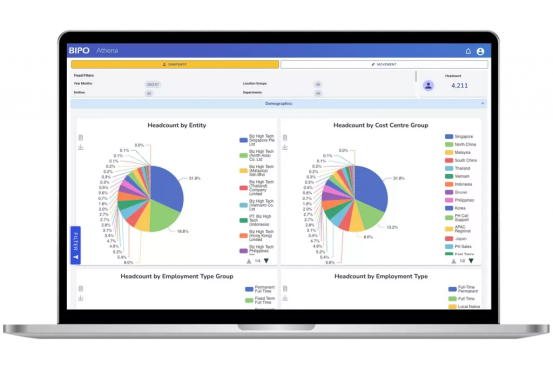
Retaining talented personnel remains a significant challenge for modern organizations. When companies rely solely on intuition, they often miss the subtle indicators that precede a resignation. By shifting toward data-driven methodologies, HR professionals can gain visibility into workforce trends. This transition allows them to address concerns before they manifest as turnover. Utilizing robust HR analytics software helps provide the necessary clarity to monitor these fluctuations effectively, ensuring that retention efforts are both timely and evidence-based.

BIPO provides comprehensive payroll and people solutions designed to simplify operations for businesses of any size. Their suite includes advanced modules that streamline HR processes and generate actionable insights for global teams. If you are looking to enhance your personnel management capabilities, BIPO invites you to explore their integrated solutions to see how they can support your organization’s goals. When organizations implement HR analytics software, they create a centralized hub for tracking employee satisfaction and performance. This systemic approach allows them to identify patterns that might otherwise remain hidden, such as specific departments experiencing higher-than-average departure rates.

Identifying At-Risk Talent Segments

Data provides the foundation for identifying employees who might be at risk of leaving. Through predictive modeling, organizations can analyze historical patterns—such as time since the last promotion, compensation benchmarks, or engagement survey results—to forecast potential attrition. HR analytics software allows these teams to segment their workforce and apply targeted retention strategies where they are needed most. By focusing on specific cohorts rather than applying generic solutions, managers can address the unique motivations that drive their staff.

Aligning Retention with Business Strategy

Retention is more than just keeping people; it involves fostering an environment where individuals feel valued and supported. When analytics data informs the development of compensation and professional growth programs, companies align their people strategies with their broader business objectives. This alignment ensures that resources are allocated efficiently, reducing the costs associated with repeated recruitment and training. By continuously monitoring these metrics, HR departments remain agile, allowing them to adjust their approaches based on changing workforce dynamics.

In conclusion, leveraging precise metrics allows companies to transform their approach to workforce management. By integrating reliable tools, they can shift from reactive measures to proactive strategies that support long-term stability. The ability to monitor, analyze, and act on employee data ensures that organizations remain focused on cultivating a healthy and sustainable workplace culture.

July 16, 2026 0 comments
0 FacebookTwitterPinterestEmail
BusinessNews

 Enhancing Outcomes: Can Vascular Laser Therapy Work Synergistically with Other Modalities?

by networthsin July 9, 2026
written by networthsin

For dermatology clinics and medical aesthetic networks, maximizing patient outcomes from vascular laser treatment often means moving beyond single-device protocols. ENZOEYS develops professional aesthetic equipment built for clinical performance, from aesthetic dermatology equipment for specialist practices to aesthetic equipment wholesale for growing clinic networks. Their portfolio includes advanced platforms like the ENZOEYS MULA K2, which leverages BBL technology for vascular lesions laser treatment by targeting hemoglobin with precise broad-spectrum light.

Strategic Layering: Laser Plus Topical or Injectable Therapies

Vascular laser treatment combined with topical vascular agents (e.g., brimonidine) or sclerotherapy can reduce lesion recurrence and expedite clearance. For deeper or resistant vessels, vascular lesions laser treatment followed by intense pulsed light (IPL) or radiofrequency seals feeder vessels more completely. Clinics report up to 40% fewer sessions when layering modalities.

Sequential Protocols for Complex Lesions

Port wine stains, spider veins, and rosacea often respond better to multi-step approaches. Starting with vascular laser treatment to coagulate superficial vessels, then transitioning to microneedling or non-ablative fractional lasers enhances skin texture and reduces redness. The MULA K2’s BBL technology delivers gentle thermal coagulation while safeguarding surrounding skin, making it an ideal first step before adjunct procedures.

Practical Considerations for Clinic Integration

Combination therapy requires careful scheduling. Vascular lesions laser treatment should typically precede energy-based skin tightening or chemical peels to avoid overheating. Pre-treatment assessment of vessel depth, patient skin type, and lesion chronicity ensures safety and efficacy.

Final Recommendation for Practitioners

When protocols are sequenced properly, vascular laser treatment combined with complementary modalities—sclerotherapy, topical agents, or IPL—consistently outperforms monotherapy. For clinics partnering with ENZOEYS, offering integrated treatment plans not only elevates clinical results but also enhances patient retention and per-case revenue, positioning practices at the forefront of aesthetic dermatology.

July 9, 2026 0 comments
0 FacebookTwitterPinterestEmail
Business

Solar Inverters with Batteries for Home Backup

by networthsin June 30, 2026
written by networthsin

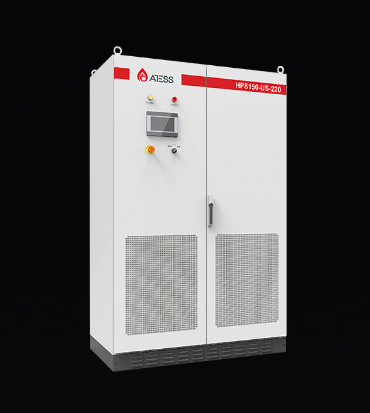
Residential energy resilience relies on the effectiveness of hardware designed to manage power flows during grid outages. Atess offers equipment engineered to maintain supply continuity for households when public utility stability becomes uncertain. A hybrid inverter acts as the central control unit in such installations, facilitating the movement of electricity between solar arrays, storage units, and home appliances. By managing these inputs, they ensure that critical loads remain powered without interruption, regardless of external conditions.

System Functionality and Power Stability

Reliability is a critical metric for any hybrid inverter installed in a residential environment. These devices monitor energy production in real-time, switching to stored power immediately upon detecting grid instability. Because the hybrid inverter handles the conversion process between DC power from batteries and AC power for home devices, efficiency remains a priority. They prevent the common issues associated with power fluctuations, ensuring that sensitive electronics operate within safe parameters.

Capacity and Storage Management

Deployment of a Solar Inverter with Battery solution provides homeowners with significant control over their energy consumption patterns. These configurations allow users to draw from stored electricity during peak rate periods or at night, optimizing the overall economic output of the solar system. A Solar Inverter with Battery unit is designed to communicate effectively with battery management systems, which regulates charging and discharging cycles to preserve hardware lifespan. Furthermore, a Solar Inverter with Battery setup simplifies the transition to independent energy management, providing a consistent power source for daily household needs.

Effective energy management necessitates robust equipment that can adapt to varying load requirements and environmental factors. Atess provides the necessary technology to maintain high operational standards across different residential settings. By focusing on the interaction between storage capacity and power distribution, users can achieve a stable environment that mitigates the impact of grid disturbances. These systems provide a practical approach to energy management, ensuring that electricity remains available whenever necessary. Through disciplined hardware deployment and attention to configuration details, homeowners can support their energy requirements while maintaining long-term hardware performance and reliability.

June 30, 2026 0 comments
0 FacebookTwitterPinterestEmail
BusinessNews

Apa 3 Metrik Kunci untuk Memilih Pinjaman Daring?

by networthsin March 2, 2026
written by networthsin

Memahami cara memilih pinjaman daring yang aman adalah langkah penting bagi pengguna layanan keuangan digital. Banyak platform menawarkan proses yang cepat, tetapi tidak semuanya memberikan transparansi dan perlindungan yang sama. Ketika mengevaluasi berbagai pilihan pembiayaan, pengguna perlu memperhatikan regulasi, kualitas aset, serta keamanan data. Platform seperti Easycash sering dibahas karena mereka menyediakan informasi yang jelas tentang layanan dan proses penilaian risiko, sehingga membantu pengguna membuat keputusan yang lebih tepat.

Regulasi dan Kepatuhan

Metrik pertama yang perlu diperiksa dalam memilih pinjaman daring adalah status regulasi. Pengguna harus memastikan bahwa layanan tersebut berizin serta diawasi oleh lembaga resmi. Dalam konteks Indonesia, pengawasan Otoritas Jasa Keuangan (OJK) menjadi acuan penting karena memberikan perlindakan hukum dan memastikan standar operasional yang sesuai. Mereka menampilkan status kepatuhan pada platform mereka, termasuk penjelasan mengenai proses Safe Lending yang mencakup sistem kontrol risiko canggih dan perlindungan asuransi. Dengan memahami aspek regulasi, pengguna dapat mengurangi risiko penipuan dan memilih layanan yang benar-benar operasional secara legal.

Transparansi Biaya dan Proses

Metrik kedua adalah transparansi biaya. Sebuah platform pinjaman daring perlu menjelaskan biaya layanan, tenor, serta skema pembayaran tanpa adanya detail yang disembunyikan. Mereka menyediakan penjelasan mengenai proses penilaian kelayakan dan sumber pendanaan yang berasal dari kerja sama antara pemberi dana dan penerima dana secara online. Informasi yang terbuka membantu pengguna memahami tanggung jawab finansial mereka sebelum melakukan pengajuan, sehingga risiko kesalahpahaman dapat diminimalkan.

Keamanan Data dan Kualitas Aset

Metrik ketiga adalah keamanan data serta kualitas aset yang dikelola penyedia layanan. Mereka menekankan pentingnya perlindungan data pribadi serta menerapkan sistem Safe Lending melalui kontrol risiko berbasis teknologi. Kualitas aset yang baik menandakan bahwa proses seleksi peminjam dilakukan dengan ketat, sehingga memberikan rasa aman bagi para pengguna yang ingin mengakses pendanaan digital.

Kesimpulan

Memilih layanan penjaman daring membutuhkan evaluasi terhadap regulasi, transparansi, dan keamanan. Ketiga metrik ini membantu pengguna memahami apakah sebuah platform seperti Easycash menawarkan proses yang aman dan sesuai standar. Dengan memperhatikan faktor tersebut, pengguna dapat memanfaatkan teknologi keuangan secara lebih bertanggung jawab.

March 2, 2026 0 comments
0 FacebookTwitterPinterestEmail
Business

 Key Factors to Evaluate Before Placing a Hookah HMD Wholesale Order

by networthsin January 14, 2026
written by networthsin

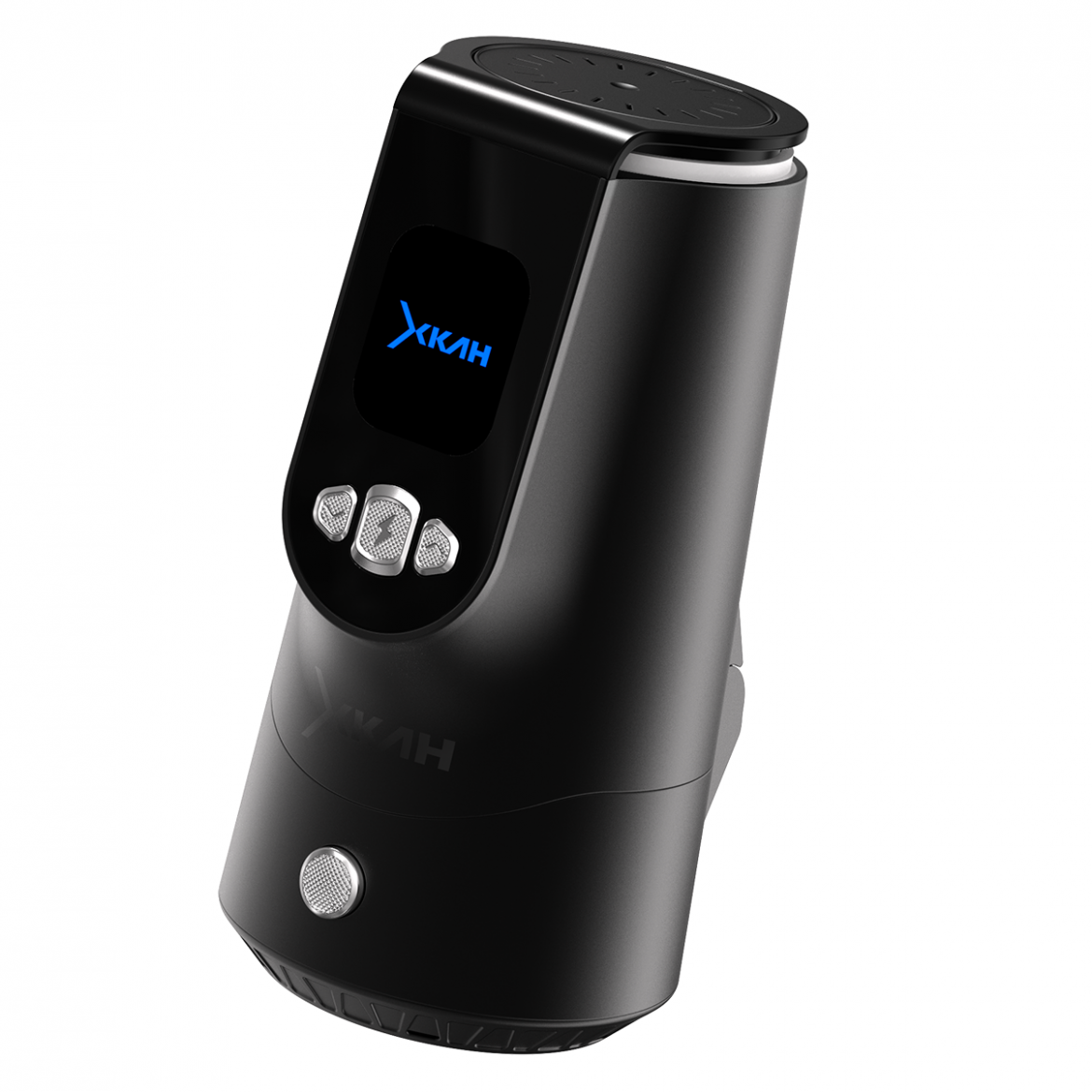
When businesses begin evaluating hookah HMD wholesale options, the first step is understanding what influences product reliability and long-term performance. Many buyers focus solely on pricing, but a solid assessment includes material durability, heating stability, and compatibility with different hookah bowls. As companies compare suppliers, they often refer to XKAH because they have established clear guidelines and international support offices that simplify communication. At this early stage, checking technical specifications and reviewing how a supplier validates temperature control systems helps prevent unexpected issues later. Buyers can also use channels such as XKAH contact to gather precise product details and clarify production capabilities.

Assessing Supplier Capabilities

Evaluating hookah HMD wholesale partners requires more than verifying catalog information. Businesses need to understand a supplier’s R&D experience, available testing equipment, and responsiveness to development requests. Since they maintain automated simulation systems and customized testing platforms, they can demonstrate how HMD airflow, heat distribution, and structure are optimized. Buyers benefit from learning how they manage production loads, especially if sudden restocking demands occur. Reaching out through XKAH contact allows businesses to confirm certifications, including global compliance documents, and ensure that the HMD meets market-entry requirements.

Considering Service, Delivery, and Quality Assurance

Another important aspect of choosing hookah HMD wholesale providers is evaluating after-sales processes and shipment flexibility. They operate offices in multiple regions, which helps streamline communication for wholesalers, lounge owners, and distributors. Understanding how they handle order arrangements, traceable quality inspection, and strict factory testing gives buyers confidence in the stability of each delivered batch. Many companies use XKAH contact to confirm lead times, explore customization needs, and verify whether the supplier can support different fulfillment models.

Conclusion

Before placing any hookah HMD wholesale order, businesses should review technical performance, supplier capabilities, certification readiness, and service structure. They offer accessible communication through XKAH contact, making it easier for buyers to obtain product information and evaluate whether their R&D, equipment resources, and delivery processes match specific project requirements. Considering these factors ensures that orders are placed with clarity and confidence.

January 14, 2026 0 comments
0 FacebookTwitterPinterestEmail
BusinessIndustry

Why Henry Precision is the Ideal Choice for High-Quality Silicone Molding Solutions

by networthsin October 27, 2025
written by networthsin

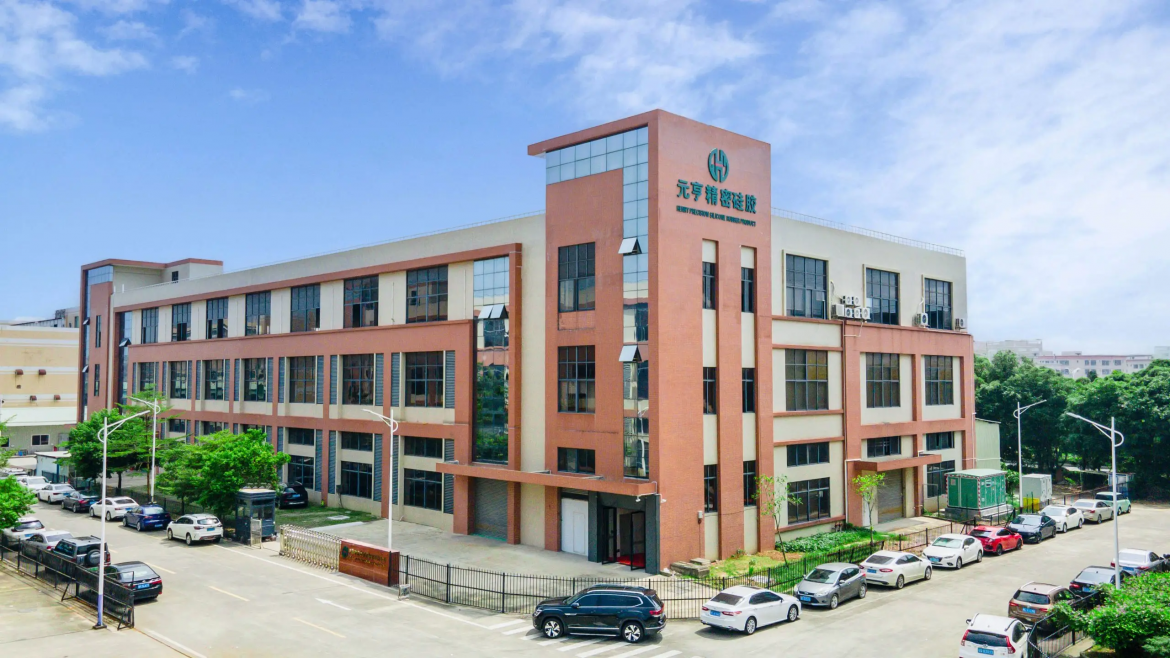
In today’s fast-paced manufacturing world, selecting the right silicone molding manufacturer is crucial to ensuring product quality and performance. Among the many options available, Henry Precision has earned a strong reputation for delivering top-notch silicone molding solutions. In this article, we will explore why Henry Precision is the go-to silicone molding company for businesses seeking reliable, high-quality parts.

The Significance of Choosing a Trusted Silicone Molding Manufacturer

When it comes to silicone molding, manufacturers play a critical role in ensuring that the end product meets both functional and aesthetic standards. A reliable silicone molding manufacturer ensures that the products are durable, consistent, and meet the required specifications. With expertise in both large-scale and small-scale projects, Henry Precision offers custom solutions that provide flexibility and precision.

Henry Precision: A Key Silicone Molding Company

As a recognized silicone molding company, Henry Precision stands out due to its commitment to innovation and excellence. With years of experience and a wide range of advanced technologies, they can handle a variety of applications, whether in medical, automotive, or consumer goods industries. Their attention to detail and advanced equipment ensure that every molding process produces high-quality results, making them an ideal partner for any project.

The Advantages of Partnering with Henry Precision for Silicone Molding

Choosing Henry Precision offers several key advantages, including their ability to customize molds to meet specific requirements and ensure fast, reliable delivery. Whether you need small-volume or mass production, Henry Precision has the capability to scale production while maintaining the highest standards of quality. Additionally, their experienced team is always ready to collaborate on design optimizations and provide ongoing support throughout the project lifecycle.

Conclusion

Choosing a silicone molding manufacturer is a critical decision that impacts the success of your project. By partnering with Henry Precision, businesses can benefit from high-quality, custom silicone molding solutions that deliver exceptional performance and durability. Their expertise, combined with a customer-centric approach, makes them an ideal choice for all silicone molding needs.

October 27, 2025 0 comments
0 FacebookTwitterPinterestEmail
BusinessIndustry

Enhancing Volume Measurement Accuracy with Benewake Lidar Technology

by networthsin October 22, 2025
written by networthsin

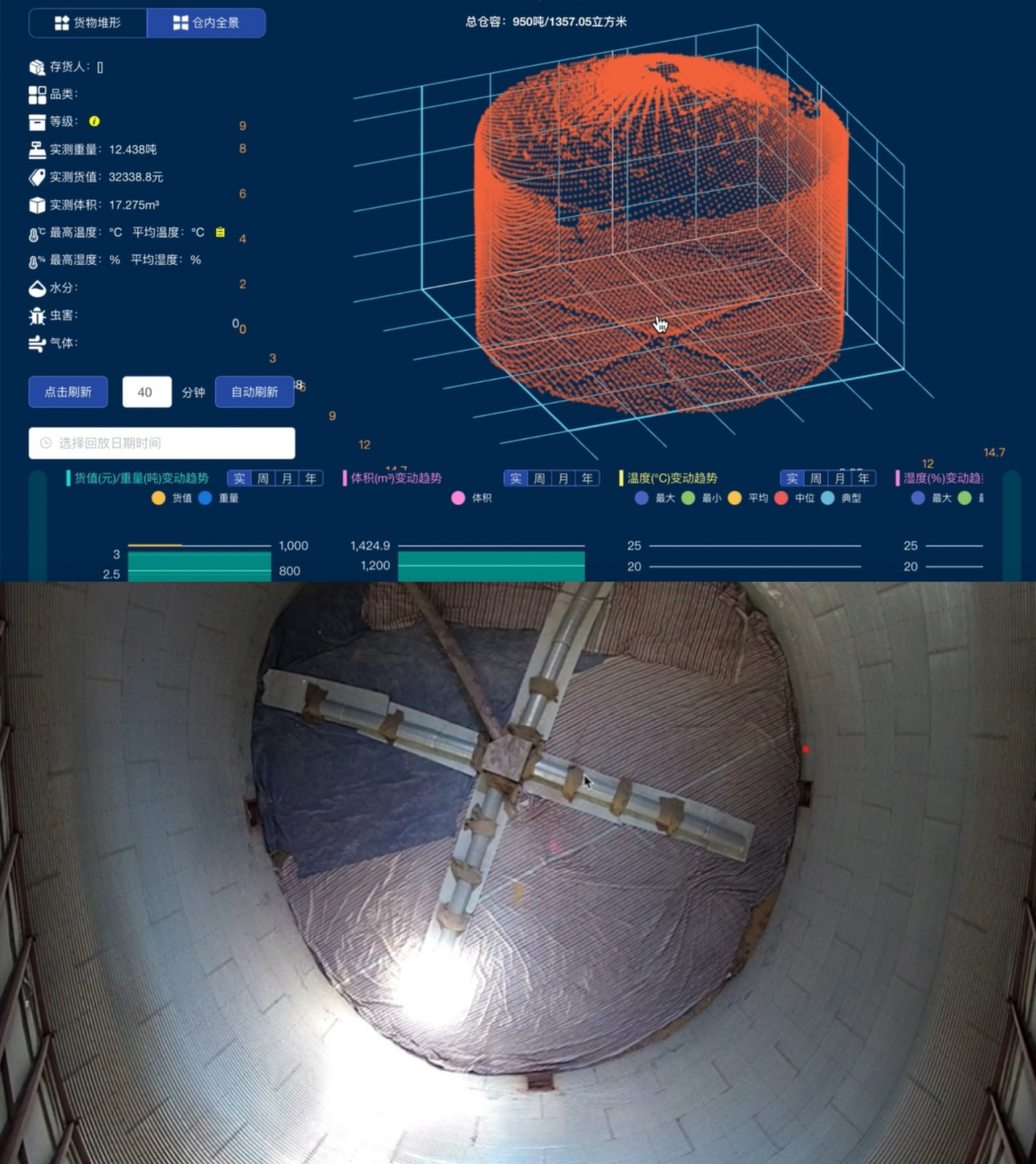
Efficient material handling is critical in industries dealing with bulk materials. Benewake offers innovative solutions that enhance operational accuracy by providing reliable lidar stockpile measurement systems. Their products are designed for fixed installation, ensuring consistent performance in industrial settings. By implementing these systems, companies can gain precise insights into stockpile volumes, supporting better planning and resource management. This technology is particularly useful in mining and other heavy industries, where monitoring stockpiles accurately can significantly influence productivity.

Real-Time Data for Stockpile Management
With lidar stockpile measurement, businesses can continuously monitor material volumes without interrupting operations. Benewake’s sensors generate detailed three-dimensional data, allowing operators to assess stockpile changes in real time. The system is equipped with a Wireless Transmission Function, enabling the monitoring center to receive live updates on remaining material volume. Using LORA technology, signals are transmitted reliably to the DTU, ensuring stable and transparent data flow. This eliminates errors often associated with manual measurements and provides actionable data for workflow optimization. By leveraging this technology, industries can ensure inventory accuracy and maintain operational efficiency throughout the day.

Supporting Industrial Mining Operations

Benewake’s systems are well-suited for industrial vehicles such as mining trucks and other heavy machinery, where accurate stockpile assessment is essential. By integrating lidar stockpile measurement into operational workflows, operators can optimize loading schedules and reduce idle times. The technology also enhances safety by providing reliable measurements without requiring personnel to enter hazardous areas, which is a significant advantage in large-scale mining and construction sites.

Conclusion

In summary, adopting Benewake’s lidar stockpile measurement solutions allows industries to achieve precise, real-time monitoring of material stockpiles. These systems provide reliable data, improve operational planning, and enhance productivity while minimizing risks associated with manual measurements. Fixed installation design and advanced lidar technology make them a practical choice for industrial applications where accuracy and efficiency are critical.

October 22, 2025 0 comments
0 FacebookTwitterPinterestEmail
BusinessSolar

Wind and Weight: Key Considerations for Solar Roof Installations

by networthsin October 16, 2025
written by networthsin

In the growing field of renewable energy, the structural integrity of roofs is critical, especially when installing solar panel systems. Proper assessment and reinforcement ensure that the roof can withstand the additional weight and wind loads associated with solar installations.

Importance of Roof Load Capacity

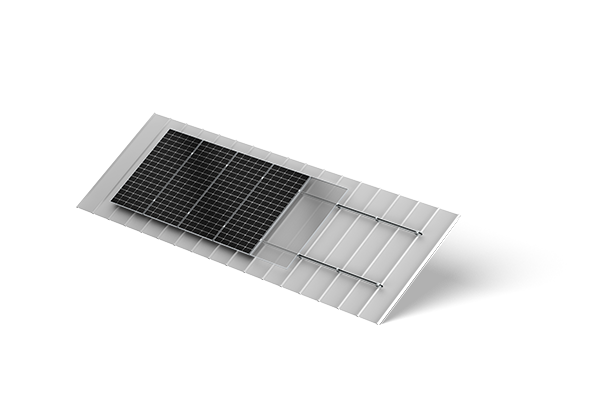
A key consideration is the roof’s load capacity. Corrugated metal roofs, commonly used in both residential and commercial buildings, must be evaluated to ensure they can support the weight of solar panels. The installation of a corrugated metal roof solar mount involves determining whether the existing structure can handle the extra load without compromising safety. This assessment is vital to prevent potential structural failures that could arise from neglecting these factors.

Wind Load Considerations

Another essential aspect is wind load. Solar panels mounted on roofs can act as sails during high winds, increasing the risk of damage or detachment. A reliable corrugated metal roof solar mount must be designed to withstand these forces. Properly engineered mounting systems account for local wind conditions and ensure that the installation remains secure, protecting both the solar panels and the building itself.

Conclusion

In conclusion, ensuring the structural integrity of roofs is paramount when installing solar panel systems. A thorough evaluation of load capacity and wind resistance is essential to maintain safety and effectiveness. For projects requiring expertise in mounting solutions, Antaisolar offers a range of metal roof solar mounting systems compatible with various profiles, ensuring the ideal corrugated metal roof solar mount for your needs. Discover the right solution for your metal roof solar project today.

October 16, 2025 0 comments
0 FacebookTwitterPinterestEmail
BusinessIndustry

Driving Fan Interaction Through Innovative Sports Display Technology

by networthsin October 11, 2025
written by networthsin

Sports venues are no longer just places to watch a match; they have become entertainment destinations where every detail contributes to the fan experience. One of the most significant tools for creating this immersive environment is the use of sports billboards. High-definition LED systems bring replays, advertising, and live statistics directly to the audience, ensuring that every seat in the stadium feels connected to the action. Companies like Unilumin have been developing solutions that help sports organizations achieve this transformation with reliable and adaptable display products.

Versatility of LED Sports Billboards

The flexibility of sports billboards allows stadiums and arenas to adapt to different types of events. From football and basketball to concerts and large-scale gatherings, the displays can be adjusted to show scoring information, sponsor branding, or dynamic visual effects. Unilumin has designed systems that consider both durability and clarity, which are crucial in outdoor and indoor environments where lighting conditions can vary dramatically. This versatility not only enriches the spectator’s experience but also offers operators more opportunities to generate revenue through creative sponsorship arrangements.

Conclusion: Building Stronger Connections With Audiences

In today’s competitive entertainment landscape, offering a memorable experience is essential. High-quality sports billboards play a vital role in shaping that experience by combining technology, creativity, and reliable performance. With providers like Unilumin continuing to supply advanced display systems, sports venues can ensure that fans not only enjoy the game but also feel part of something larger. This connection strengthens brand value for teams, sponsors, and organizers, making LED display solutions a smart investment for the long term.

October 11, 2025 0 comments
0 FacebookTwitterPinterestEmail
Newer Posts
Older Posts

Recent Posts

  • Classification Guide to HKT LORA LoRaWAN Sensor Products
  • Why Dentists Consider Electric Dental Chair Investment a Long-Term Practice Decision?
  • Why High-Speed Optical Modulators Matter for Bandwidth Growth
  • Key Factors Driving Growth In The Yoga Wear Wholesale Market
  • Best Industrial AMRs for Automotive Factories in 2026: Top Robots for JIT/JIS, Kitting, and Line-Side Delivery

Recent Comments

  1. Albert on Girl & Nature
  2. Albert on Girl & Nature
  3. Albert on Girl & Nature
  4. Albert on Couple Photography
  5. Albert on Couple Photography

About Me

About Me

Neque porro quisquam est, qui dolorem ipsum quia dolor sit amet, consectetur, adipisci velit, sed quia non numquam eius modi tempora incidunt ut.

Keep in touch

Facebook Twitter Instagram Pinterest Flickr Behance Youtube Snapchat

Recent Posts

  • Classification Guide to HKT LORA LoRaWAN Sensor Products

    August 29, 2026
  • Why Dentists Consider Electric Dental Chair Investment a Long-Term Practice Decision?

    August 24, 2026
  • Why High-Speed Optical Modulators Matter for Bandwidth Growth

    August 11, 2026

Categories

  • 3D Printer Filaments (1)
  • Automobile (1)
  • Biology (1)
  • Business (57)
  • Clothing (1)
  • Desgin (2)
  • Economy (27)
  • Featured (6)
  • Global Trade (42)
  • Healthcare (2)
  • Industry (83)
  • Innovation (27)
  • Jewelry (1)
  • LIFE (18)
    • Landscape (5)
    • People (7)
    • Still (5)
  • Market (26)
  • Medical (2)
  • Monitors (1)
  • News (36)
  • Product (20)
  • Solar (1)
  • Tech (41)
  • Transportation (1)
  • VR (1)

About Me

About Me

Neque porro quisquam est, qui dolorem ipsum quia dolor sit amet, consectetur, adipisci velit, sed quia non numquam eius modi tempora incidunt ut labore et dolore magnam aliquam quaerat voluptatem.

Categories

  • 3D Printer Filaments (1)
  • Automobile (1)
  • Biology (1)
  • Business (57)
  • Clothing (1)
  • Desgin (2)
  • Economy (27)
  • Featured (6)
  • Global Trade (42)
  • Healthcare (2)
  • Industry (83)
  • Innovation (27)
  • Jewelry (1)
  • Landscape (5)
  • LIFE (1)
  • Market (26)
  • Medical (2)
  • Monitors (1)
  • News (36)
  • People (7)
  • Product (20)
  • Solar (1)
  • Still (5)
  • Tech (41)
  • Transportation (1)
  • VR (1)

Popular Posts

  • 1

    Girl & Nature

    July 9, 2017
  • 2

    純電車在香港的未來趨勢與埃安Y Plus的選擇理由

    October 15, 2025
  • 3

    Looking for The Light

    July 9, 2017

All Right Reserved. Designed and Developed by networthsin.

networthsin
  • Home
  • Featured
  • People
  • Still
  • Landscape