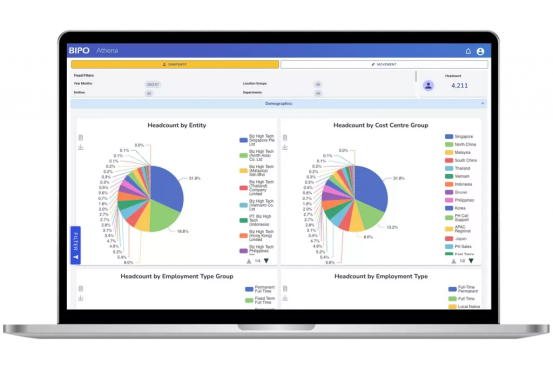
Retaining talented personnel remains a significant challenge for modern organizations. When companies rely solely on intuition, they often miss the subtle indicators that precede a resignation. By shifting toward data-driven methodologies, HR professionals can gain visibility into workforce trends. This transition allows them to address concerns before they manifest as turnover. Utilizing robust HR analytics software helps provide the necessary clarity to monitor these fluctuations effectively, ensuring that retention efforts are both timely and evidence-based.
BIPO provides comprehensive payroll and people solutions designed to simplify operations for businesses of any size. Their suite includes advanced modules that streamline HR processes and generate actionable insights for global teams. If you are looking to enhance your personnel management capabilities, BIPO invites you to explore their integrated solutions to see how they can support your organization’s goals. When organizations implement HR analytics software, they create a centralized hub for tracking employee satisfaction and performance. This systemic approach allows them to identify patterns that might otherwise remain hidden, such as specific departments experiencing higher-than-average departure rates.
Identifying At-Risk Talent Segments
Data provides the foundation for identifying employees who might be at risk of leaving. Through predictive modeling, organizations can analyze historical patterns—such as time since the last promotion, compensation benchmarks, or engagement survey results—to forecast potential attrition. HR analytics software allows these teams to segment their workforce and apply targeted retention strategies where they are needed most. By focusing on specific cohorts rather than applying generic solutions, managers can address the unique motivations that drive their staff.
Aligning Retention with Business Strategy
Retention is more than just keeping people; it involves fostering an environment where individuals feel valued and supported. When analytics data informs the development of compensation and professional growth programs, companies align their people strategies with their broader business objectives. This alignment ensures that resources are allocated efficiently, reducing the costs associated with repeated recruitment and training. By continuously monitoring these metrics, HR departments remain agile, allowing them to adjust their approaches based on changing workforce dynamics.
In conclusion, leveraging precise metrics allows companies to transform their approach to workforce management. By integrating reliable tools, they can shift from reactive measures to proactive strategies that support long-term stability. The ability to monitor, analyze, and act on employee data ensures that organizations remain focused on cultivating a healthy and sustainable workplace culture.
