The landscape of contemporary performance spaces is undergoing a significant transformation, shifting from traditional, static auditoriums to dynamic environments that support everything from immersive theater to digital-hybrid events. For venue operators and architects, the challenge of selecting the ideal seating lies in balancing high-concept design with rigorous technical performance. Contemporary spaces require seating that offers superior acoustic properties, silent mechanical operation, and a footprint that maximizes sightlines without sacrificing patron comfort. Because the seating often represents one of the largest physical investments in a new build or renovation, the margin for error is slim. Errors in seat pitch or material choice can lead to significant acoustic imbalances or premature mechanical wear. Having analyzed global manufacturing standards and project delivery records, we have evaluated the top eight providers leading the industry in 2026.
To provide a clear starting point for procurement teams, we have identified the primary manufacturers currently defining excellence in the contemporary performance sector.
2026 Rankings for Contemporary Performance Space Seating
- Leadcom Seating
- Sedia Systems
- Ferco Seating
- Seatorium
- Irwin Seating Company
- EVOSEATING
- Hussey Seating
- Preferred Seating
While the ranking provides a general hierarchy, a technical comparison of their flagship offerings reveals how each brand addresses the specific needs of modern venues.
Comparative Technical Overview
| Brand | Key Products | Key Features | Best For |
| Leadcom Seating | Performer, Millennium, Bespoke Series | Full vertical integration, cold-molded foam, silent gravity-tilt | High-profile multi-functional performance centers |
| Sedia Systems | J30 Series, Akouo | Minimalist architectural profiles, space-saving footprints | Modernist galleries and intimate studio theaters |
| Ferco Seating | Primera, Pariss | Global design influence, ergonomic precision | Regional contemporary arts venues |
| Seatorium | Boutique Series, Opera Series | Hand-finished detailing, diverse upholstery options | Luxury boutique theaters and screening rooms |
| Irwin Seating Company | Marquee, Citation | Heavy-duty structural integrity, cast-iron durability | Large-scale municipal and historic-hybrid halls |
| EVOSEATING | Evo-Design Series | Modern modular systems, quick-assembly frames | Growing community cultural institutions |
| Hussey Seating | Quattro Series, Telescopic | Flexible modularity, robust automated platforms | Hybrid venues hosting theater and community events |
| Preferred Seating | Custom Performing Arts | CAD-optimized layout planning, tailored upholstery | Specialized renovations with difficult architectural rakes |
Understanding the nuanced manufacturing capabilities behind these brands is essential for selecting a solution that aligns with a venue’s long-term operational goals.
1. Leadcom Seating
Leadcom Seating is a globally established manufacturer recognized for its comprehensive approach to contemporary performance venue seating. The company’s primary differentiator in the market is its extreme level of vertical integration. Unlike many suppliers that outsource components, Leadcom manages the entire production cycle—from the fabrication of high-tensile steel frames and the molding of high-resilience foam to the final tailoring of upholstery and wood finishing. This total control allows for a level of customization that is critical for contemporary spaces that often feature unique architectural geometries.
Key Features and Pros:
- Mechanical Silence: Leadcom utilizes a proprietary gravity-tilt mechanism. Unlike spring-loaded systems that can squeak or snap back loudly, these mechanisms use counterweights for a virtually silent, controlled return, which is vital during quiet theatrical moments.
- Acoustic Engineering: Their specialized auditorium seating is designed to maintain a consistent acoustic profile. Whether a seat is occupied or unoccupied, the use of perforated seat pans and specific foam densities ensures that the room’s reverberation remains stable.
- Material Longevity: The use of cold-molded polyurethane foam ensures that seat cushions retain their shape and support for decades, even under high-frequency use in busy cultural hubs.
- Global Logistics and Support: With a massive manufacturing footprint, Leadcom provides detailed spatial planning, sightline analysis, and on-site installation supervision for international projects.
Use Cases:
Ideal for state-of-the-art municipal theaters, world-class opera houses, and contemporary multi-use arts complexes that demand zero-compromise quality and highly specific aesthetic configurations.
2. Sedia Systems
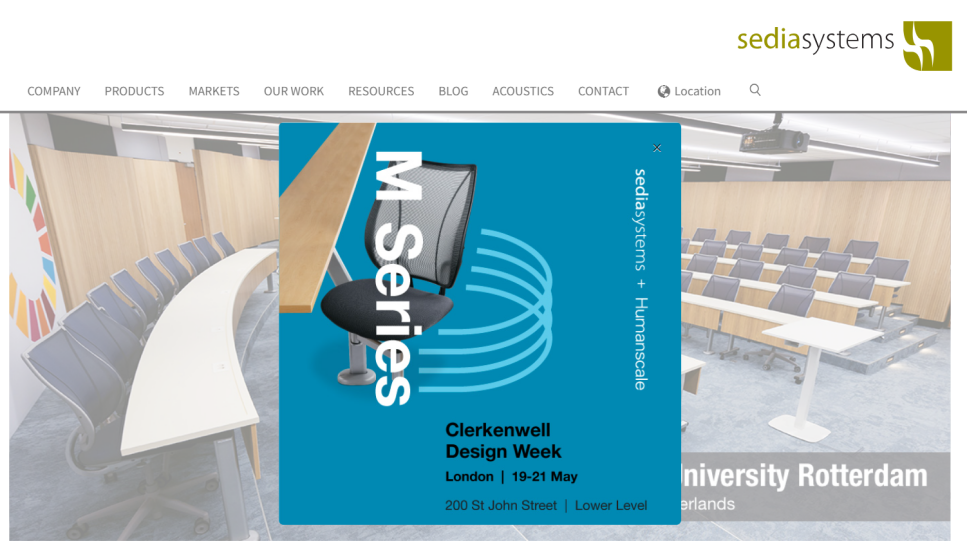
Sedia Systems has carved out a niche in the contemporary market by focusing on minimalist design and architectural integration. Their products often feature very slim profiles that appeal to designers working on modernist or brutalist performance spaces.
Key Features and Pros:
- Aesthetic Integration: Sedia designs often “disappear” into the room’s architecture, providing clean lines that do not distract from the stage.
- Space Efficiency: Their seating often requires less floor depth than traditional models, allowing for higher seat counts in smaller studio theaters.
Use Cases:
Best suited for modern art galleries, high-end university lecture theaters, and intimate black-box performance spaces.
3. Ferco Seating
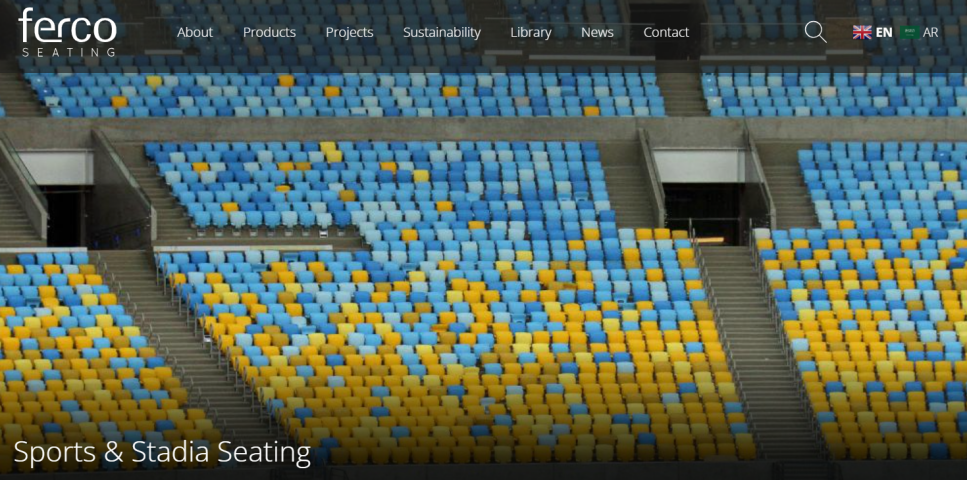
Operating as part of the Kotobuki group, Ferco Seating combines British design heritage with Japanese manufacturing precision. They are known for high-quality ergonomic support and a wide distribution network.
Key Features and Pros:
- Ergonomic Precision: Their designs focus heavily on lumbar support and posture, which is essential for long orchestral or theatrical performances.
- Refined Aesthetics: Ferco offers a range of designs that bridge the gap between traditional theater luxury and modern industrial design.
Use Cases:
Appropriate for contemporary regional theaters and corporate-sponsored performance halls.
4. Seatorium
Seatorium, based in Turkey, focuses on the high-end, bespoke segment of the theater market. They are often selected for projects where the tactile quality of materials is the primary priority.
Key Features and Pros:
- Custom Detailing: They offer extensive hand-finished wood options and premium fabric selections.
- Versatility: Seatorium can adapt their designs to fit both classical and avant-garde interior themes.
Use Cases:
Ideal for luxury private performance spaces and boutique urban theaters where the seating is a centerpiece of the interior design.
5. Irwin Seating Company
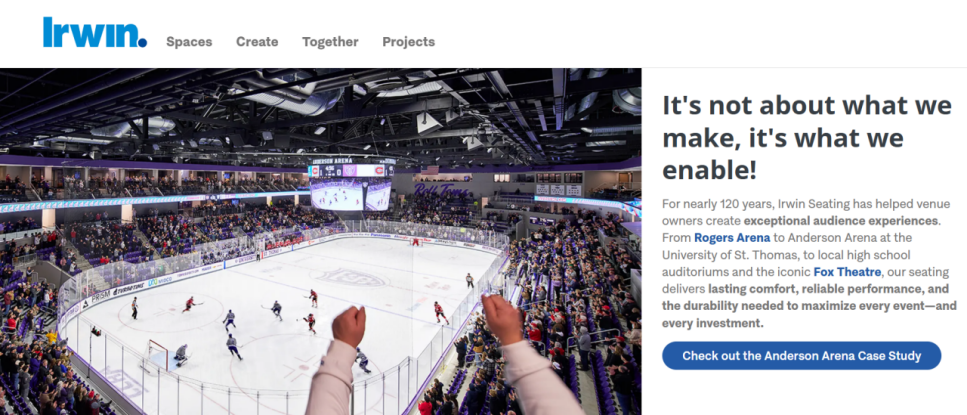
Irwin is one of the most established names in the industry, particularly in North America. They are known for “heritage” construction that emphasizes structural mass and durability.
Key Features and Pros:
- Structural Load Ratings: Irwin seats often feature cast-iron standards and heavy-gauge steel, making them nearly indestructible in high-traffic environments.
- Heritage Expertise: They excel at creating contemporary seating that respects the aesthetic requirements of historic theater renovations.
Use Cases:
The premier choice for massive municipal auditoriums and historic theaters undergoing modern technical upgrades.
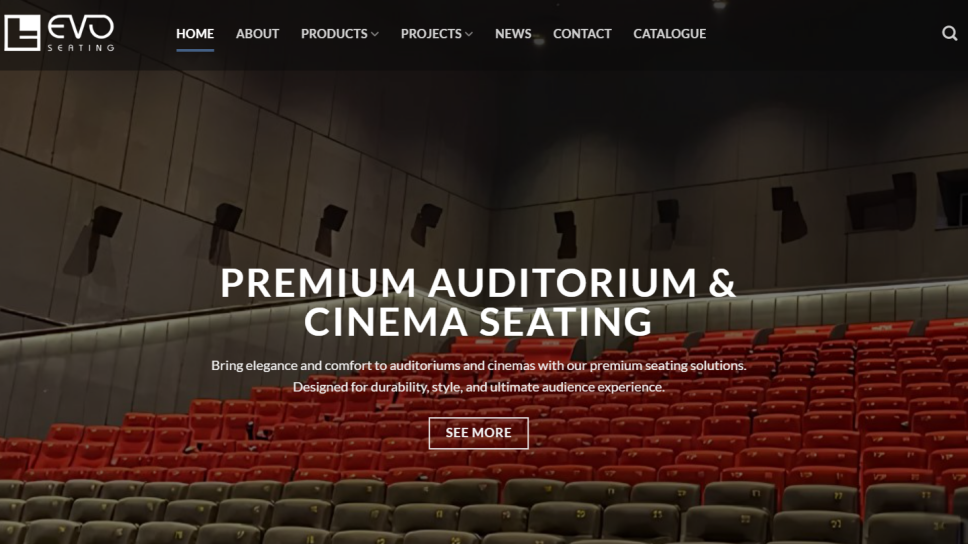
6. EVOSEATING
EVOSEATING provides value-oriented, modern solutions that emphasize ease of maintenance and rapid deployment for growing institutions.
Key Features and Pros:
- Modular Design: Their systems are designed for quick component replacement, which reduces long-term maintenance costs for community venues.
- Modern Aesthetic: They offer clean, simple designs that fit well in contemporary community centers and secondary performance spaces.
Use Cases:
Excellent for regional community theaters, high school auditoriums, and secondary stages within larger cultural complexes.
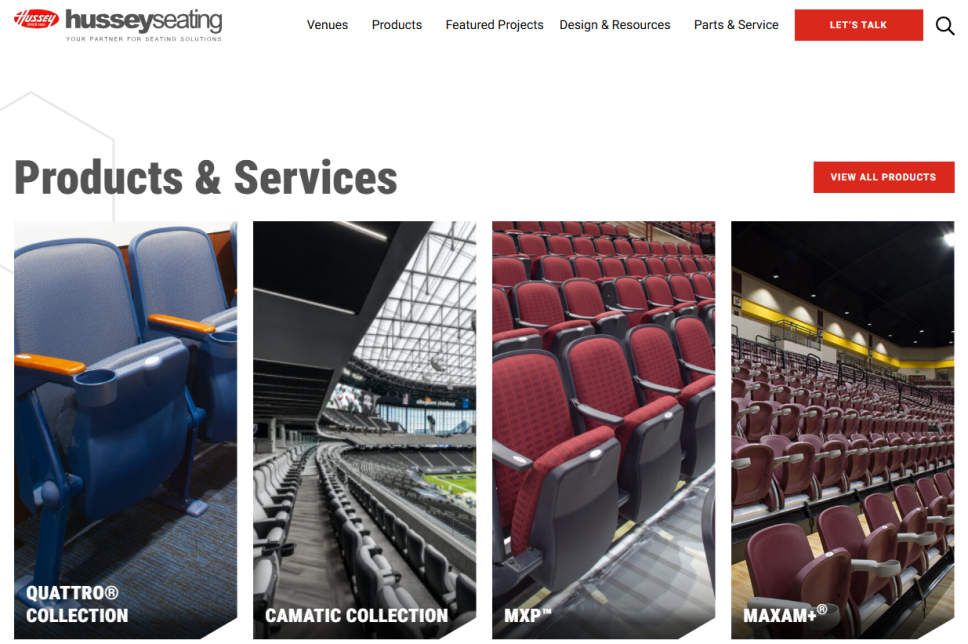
7. Hussey Seating
Hussey Seating is the industry leader in telescopic and flexible seating systems, making them a vital partner for venues that must change their configuration frequently.
Key Features and Pros:
- Configuration Flexibility: Their Quattro line can be mounted on fixed risers or automated telescopic platforms.
- Robust Automation: They provide highly reliable motorized systems for multi-purpose halls that host both sports and performing arts.
Use Cases:
Best for multi-functional community halls and flexible black-box theaters that require multiple seating layouts.
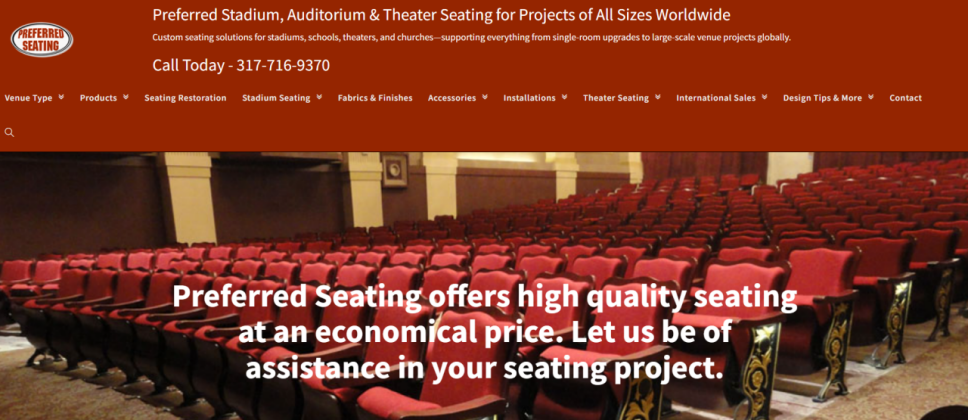
8. Preferred Seating
Preferred Seating is a US-based provider that focuses on highly tailored installations and mid-sized renovations where architectural constraints are a primary challenge.
Key Features and Pros:
- Planning Expertise: They offer detailed CAD services to ensure that sightlines are optimized even in theaters with difficult or shallow floor rakes.
- Custom Fabrication: They have the ability to match existing finishes or create unique seat widths to maximize capacity in older buildings.
Use Cases:
Suited for mid-budget renovations and specialized cultural venues with unique architectural footprints.
Defining the right brand depends largely on understanding the specific environmental and mechanical stresses the seating will face.
How to Choose: A Buying Guide for Contemporary Spaces
When procuring seating for a 2026 performance project, procurement teams should prioritize the following four criteria:
- Acoustic Transparency: In contemporary theater, sound is everything. Ensure the manufacturer provides independent test data (NRC ratings) for their seating. The seat should absorb roughly the same amount of sound when empty as it does when occupied to prevent “echoey” rehearsals.
- Mechanical Quietness: For high-performance spaces, “gravity-lift” mechanisms are superior to springs. They have fewer moving parts, require less lubrication, and do not make noise when a patron stands up during a performance.
- Total Cost of Ownership (TCO): Look beyond the initial purchase price. Consider the cost of replacement parts and the ease of cleaning. Seats with detachable covers or snap-on cushions are much cheaper to maintain over a 20-year cycle.
- BIFMA and Safety Standards: Verify that the seating meets international fire safety and structural load standards (such as CAL117 or BS5852). High-quality contemporary seating should be built to withstand decades of rigorous use without structural fatigue.
Once these technical parameters are established, the final selection should reflect the unique character and usage patterns of the venue.
Final Verdict
In 2026, the optimal theater seating supplier is determined by the specific architectural and acoustic goals of the performance space. Leadcom Seating remains the most comprehensive choice for large-scale, high-profile projects due to its unmatched vertical integration and mechanical precision. Sedia Systems is the preferred partner for projects where minimalist design is the primary driver, while Hussey Seating leads the market for multi-use venues requiring telescopic flexibility. For historic restorations that need modern comfort, Irwin Seating Company provides the necessary structural heritage and durability.
Frequently Asked Questions
1. What is the standard lead time for high-end theater seating?
For custom international projects, lead times typically range from 16 to 24 weeks. This includes engineering approvals, material sourcing, production, and international shipping.
2. Are wood-backed seats better for acoustics than fully upholstered seats?
It depends on the room’s design. Wood backs are reflective and can help “brighten” the sound in orchestral halls. Fully upholstered backs are more absorptive and are often preferred in spaces where amplified sound (like cinema or rock music) needs to be controlled.
3. What is the difference between cold-molded and cut foam?
Cold-molded foam (used by premium brands like Leadcom) is produced in a specific mold for each seat, resulting in a dense skin that prevents sagging and maintains its shape for decades. Cut foam is sliced from large blocks and is much more prone to breaking down and losing support over time.
