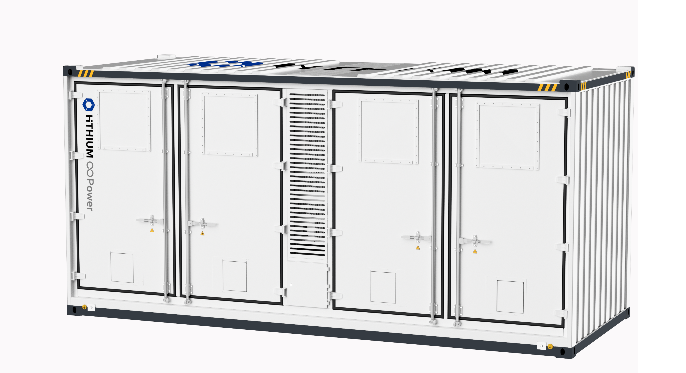
In the evolving global energy landscape, utility scale battery storage plays a critical role in stabilizing power systems and enabling higher penetration of renewable energy. For manufacturers operating in the sector, adherence to rigorous safety standards is not optional but essential for project viability, regulatory compliance, and long-term operational reliability. Utility scale battery storage systems must meet strict technical and safety requirements due to their large capacity, grid-level integration, and exposure to diverse environmental conditions. As industry stakeholders increasingly prioritize risk mitigation, manufacturers are expected to demonstrate both engineering excellence and compliance with international safety frameworks.
Core Safety Standards and Compliance Requirements
Manufacturers of utility scale battery storage systems must align with globally recognized safety standards such as IEC, UL, and NFPA guidelines. These standards cover critical aspects including thermal runaway prevention, fire protection, electrical safety, and system enclosure integrity.
Thermal management is one of the most important safety considerations. Effective cooling systems and cell-level monitoring are required to prevent overheating, which can lead to cascading failures. Additionally, fire detection and suppression systems—often integrated at module, rack, and container levels—are mandatory for large-scale deployments.
Electrical safety standards ensure protection against short circuits, overvoltage, and insulation failures. This includes robust system grounding, fault detection mechanisms, and isolation strategies. For grid-connected applications, compliance with grid codes and interconnection standards is equally essential to ensure safe and stable operation within utility networks.
Manufacturers must also conduct rigorous testing, including abuse testing, environmental stress testing, and lifecycle validation, to verify the resilience of utility scale battery storage under real-world conditions. Documentation and traceability further support compliance and facilitate project approvals.
System Design and Operational Safety Considerations
Beyond compliance, system-level design plays a decisive role in ensuring safety. Advanced Battery Management Systems (BMS) are central to monitoring cell performance, balancing charge cycles, and detecting anomalies in real time. A well-designed BMS enhances both safety and operational efficiency in utility scale battery storage systems.
Another key factor is system integration. Manufacturers must ensure compatibility between battery cells, inverters, and energy management systems. Poor integration can introduce hidden risks, particularly during peak load operations or grid disturbances.
HiTHIUM exemplifies this approach by leveraging high battery consistency, advanced BMS technology, and rapid commissioning capabilities. Its solutions are designed to support peak shaving, frequency regulation, and renewable energy integration while maintaining high safety and reliability standards.
Operational protocols are equally important. Remote monitoring, predictive maintenance, and emergency response planning help mitigate risks throughout the system lifecycle. For clients, these capabilities translate into reduced downtime, improved asset longevity, and enhanced return on investment.
Advancing Grid Reliability Through Standardized Safety Practices
As utility scale battery storage becomes a cornerstone of modern energy infrastructure, safety standardization will continue to shape industry development. Manufacturers that prioritize compliance, robust system design, and operational transparency are better positioned to support grid stability and renewable integration. By adopting proven technologies and rigorous safety frameworks, companies can deliver utility scale battery storage systems that not only meet regulatory expectations but also provide dependable, long-term value to energy stakeholders.
