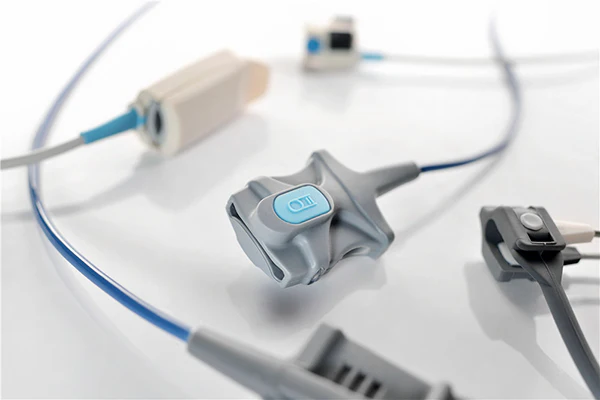
SpO2 sensors play an essential role in patient monitoring by measuring oxygen saturation levels in the blood. As healthcare environments continue to adopt multi-parameter monitoring systems, integrating these sensors with existing diagnostic accessories has become increasingly important. Working with experienced medical cable assembly manufacturers such as Unimed helps ensure compatibility, stability, and consistent performance across devices.
The Importance of Seamless Integration
In hospitals and clinical settings, patient monitors often combine multiple diagnostic accessories, including ECG leads, temperature probes, and blood pressure cuffs. SpO2 sensors must function within this interconnected system without causing signal disruption or compatibility issues. Proper integration ensures that all monitoring components deliver synchronized and accurate data, which is critical for timely clinical decisions.
A well-designed system minimizes connection errors and reduces the need for frequent equipment adjustments. This is particularly important in high-demand environments such as intensive care units, where efficiency and reliability are essential.
The Role of Medical Cable Design
The integration of SpO2 sensors depends heavily on the quality of cable assemblies. A professional medical cable manufacturer focuses on creating cables that support stable signal transmission while maintaining flexibility and durability. Shielding technology is commonly used to reduce electromagnetic interference, ensuring that SpO2 readings remain accurate even when multiple devices are operating simultaneously.
Medical cable assembly manufacturers like Unimed also emphasize connector precision. Properly designed connectors allow SpO2 sensors to interface smoothly with different monitoring systems, improving usability and reducing wear over time. High-quality materials such as medical-grade TPU and silicone further enhance performance by providing resistance to repeated bending and cleaning processes.
Enhancing System Efficiency and Patient Care
When SpO2 sensors are effectively integrated with diagnostic accessories, healthcare providers benefit from streamlined workflows and reliable monitoring. Consistent data transmission reduces the risk of false readings and supports better patient assessment. This integration also simplifies equipment management, allowing medical staff to focus more on patient care rather than troubleshooting devices.
Conclusion
Integrating SpO2 sensors with existing diagnostic accessories systems requires attention to compatibility, cable quality, and overall system design. By partnering with trusted medical cable assembly manufacturers like Unimed, healthcare facilities can achieve stable and efficient monitoring solutions. Reliable integration supports accurate data collection and contributes to improved patient outcomes across a wide range of clinical settings.
