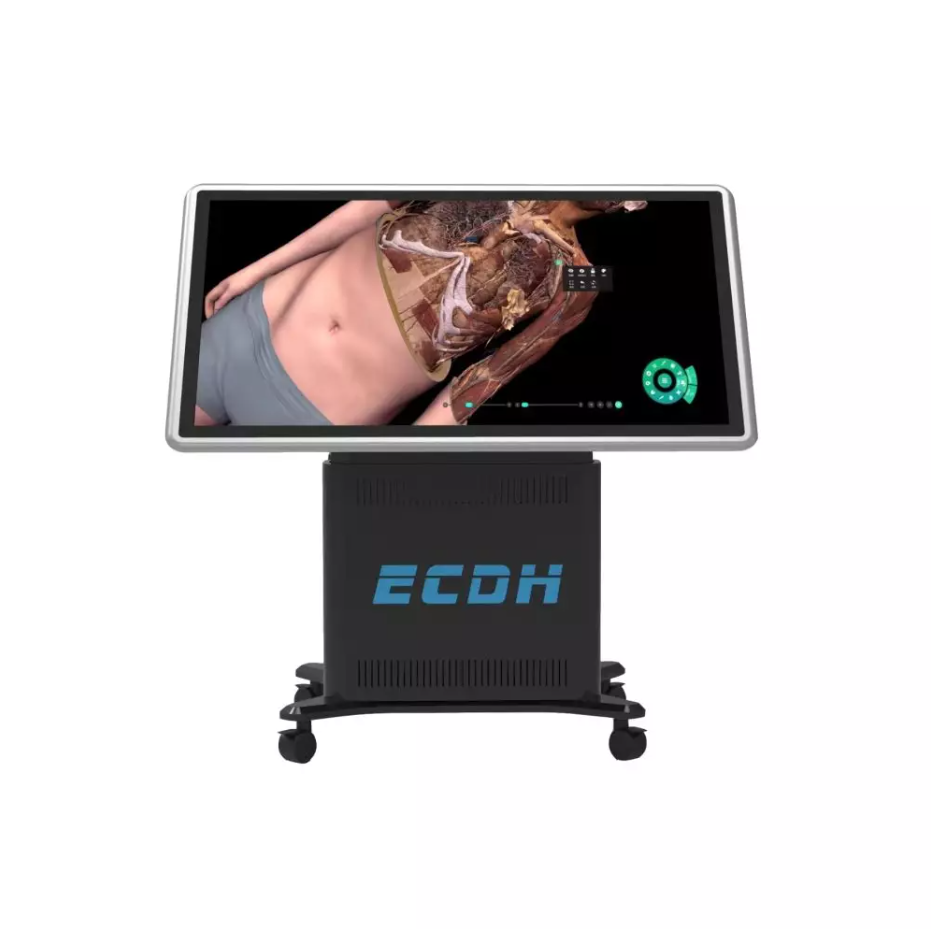
As medical programs adjust to new teaching standards, many institutions are introducing digital visualization tools to enrich anatomy education. These solutions allow students to explore structures more efficiently while maintaining scientific accuracy. Among the digital methods now widely discussed, virtual cadaver dissection has become a practical option for enhancing foundational learning. In this evolving environment, tools developed by DIGIHUMAN highlight how digital platforms can support clearer instruction and adaptable classroom planning.
How Digital Anatomy Supports Curriculum Development
Medical schools often update their teaching models to strengthen the integration of theory and visualization. When using virtual cadaver dissection, instructors can provide organized demonstrations that show multiple layers of anatomy without time restrictions or specimen limitations. Students benefit from being able to zoom in, rotate structures, and analyze relationships that may be challenging to observe during traditional labs. This format also supports repeated review, helping learners build confidence as they progress through more advanced subjects.
Role of Interactive Anatomy Tables in Training Environments
Many universities and clinical education centers incorporate digital tools to create more engaging lessons. The HD Digihuman Virtual Anatomy Table (65″) is one such option commonly used in structured medical training. Categorized under Digihuman Virtual Anatomy Table and associated with Virtual Anatomy and Virtual Anatomy Table, it integrates detailed imaging data with interactive functions to present anatomically precise models. They designed the system using high-resolution tomographic data and advanced reconstruction technology, allowing instructors to demonstrate structures clearly in both lectures and small-group sessions.
Conclusion: Advancing Anatomy Education With Digital Platforms
As teaching environments continue to incorporate innovative methods, virtual cadaver dissection provides a reliable way to support anatomy instruction. It helps students visualize complex structures more effectively, while offering institutions greater control over scheduling and resource management. Through solutions created by DIGIHUMAN, medical programs can introduce digital tools that reinforce learning quality and complement traditional training approaches.
