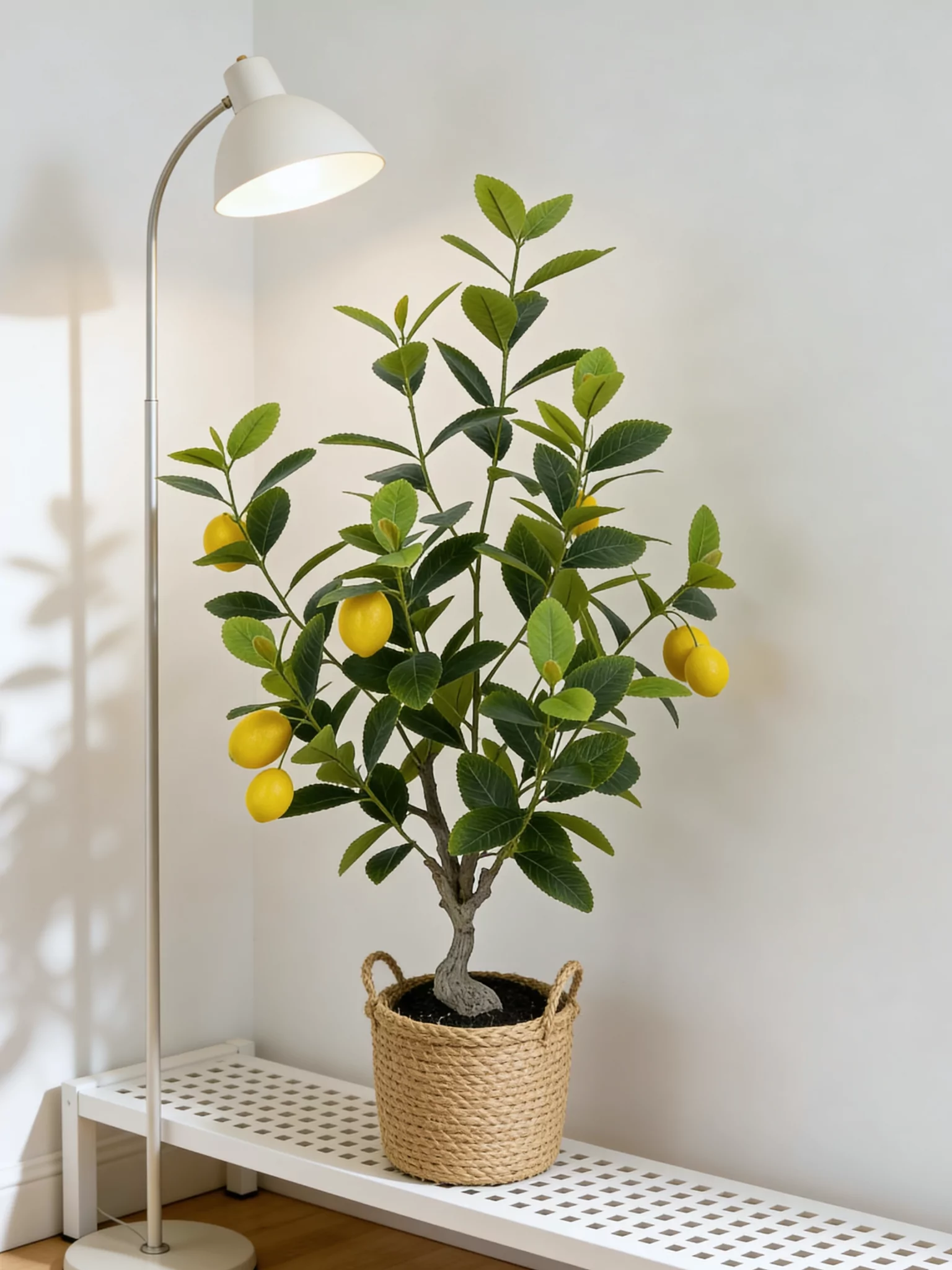
Large-scale artificial greenery projects require more than an attractive product catalogue. Retail chains, wholesalers, hospitality groups, and commercial interior designers need suppliers that can maintain consistent quality, accommodate customization, and deliver orders according to project schedules. Manufacturing capacity is therefore a key factor when evaluating a long-term supply partner.
An established artificial plants factory can help business buyers coordinate product development, bulk production, inventory planning, and international shipping. For buyers sourcing artificial plants and trees across multiple locations, the right manufacturing partner can also reduce supply uncertainty and make it easier to expand product ranges as demand changes.
Why Production Capacity Matters for Bulk Orders
Production capacity affects how reliably a supplier can fulfill large orders without compromising product consistency or delivery schedules. When a retailer needs the same artificial plant design for dozens of stores, variations in leaf color, pot dimensions, foliage density, or overall appearance can create merchandising problems.
A manufacturer with organized production processes can standardize product specifications, coordinate materials, and schedule assembly more efficiently. Buyers should assess not only the number of units a factory can produce, but also whether its workforce, equipment, warehousing, and quality checks can support the required order volume.
Capacity also matters when demand fluctuates. Seasonal promotions, store openings, hotel renovations, and commercial landscaping projects may require substantial quantities within a limited period. Suppliers with sufficient production resources can help buyers plan these orders while reducing the risk of unexpected shortages.
Customization Requires More Than Manufacturing Space
OEM and ODM orders often involve requirements beyond selecting products from a catalogue. Buyers may need specific plant heights, foliage shapes, pot styles, color combinations, packaging formats, or private-label branding. These details influence material preparation, sample development, production scheduling, and final inspection.
A capable artificial plants factory should have a clear process for translating a buyer’s design brief into repeatable production specifications. Sample approval is particularly important because it gives both parties a reference for evaluating the finished bulk order. Written specifications and approved samples can help prevent misunderstandings when orders are manufactured in large quantities.
Customization should also be considered alongside minimum order quantities (MOQs). Retailers testing a new product line may prefer smaller initial orders, while established distributors need the ability to replenish successful products at higher volumes. Flexible ordering options can help businesses validate market demand before committing to a broader rollout.
How Factory Scale Supports Reliable Supply
Factory size alone does not guarantee dependable fulfillment. Effective capacity depends on how production, material sourcing, storage, and order management work together. Buyers should ask suppliers about their monthly output, available stock, production planning procedures, and ability to manage several product varieties within one order.
Sharetrade reports that its self-owned factory in Dongguan, China, covers 28,000 square meters and has a monthly production capacity of 30,000 plants. Its operations also include in-house warehousing, supporting stock availability and order coordination for wholesale and retail customers. These capabilities provide a useful basis for buyers evaluating supply options for larger projects.
Warehousing is especially valuable when a project involves multiple shipments or recurring orders. Stocked products may help buyers respond to replenishment needs, while production planning can accommodate customized items that require additional preparation. Combining these approaches gives purchasing teams more options for balancing inventory costs against the need for product availability.
Lead Times and Logistics in Large-Scale Procurement
Production lead time directly affects purchasing schedules, launch dates, and installation plans. However, buyers should distinguish manufacturing time from total delivery time. Product preparation, customization, sample approval, production, quality inspection, packing, customs clearance, and international transportation may all influence the final arrival date.
Sharetrade lists a lead time of 15–45 days, with production starting after deposit confirmation. The company also offers sea and air shipping options. Buyers should confirm the applicable production schedule, shipping method, destination requirements, and estimated transit time for each order rather than treating the published lead-time range as a guaranteed door-to-door delivery window.
Sea freight may suit larger shipments when cost efficiency is a priority, whereas air freight may be considered for urgent replenishment or time-sensitive requirements. The best option depends on shipment size, destination, budget, and deadline. Early coordination between the buyer and supplier helps reduce avoidable delays and supports more realistic project planning.
Quality Control Must Keep Pace with Output
Higher production volumes make quality management more important, not less. If defects appear across a large shipment, buyers may face replacement costs, customer complaints, and delays across multiple sales channels or project sites. A consistent inspection process helps identify problems before products leave the factory.
Business buyers should clarify how suppliers check dimensions, color consistency, assembly quality, pot stability, packaging, and product appearance. For customized orders, inspections should compare finished goods with the approved sample and agreed specifications. Packaging checks are also important because artificial foliage, branches, and decorative components may be compressed or damaged during transportation.
An artificial plants factory serving international buyers should also communicate clearly about inspection arrangements, product documentation, and corrective actions. These details help procurement teams assess supplier reliability beyond headline production figures. For repeat orders, documented specifications and consistent quality checks can make replenishment easier and reduce the need to resolve the same issues repeatedly.
Choosing a Manufacturing Partner for Long-Term Growth
When comparing suppliers, buyers should consider production capacity alongside customization services, inventory support, lead times, quality management, and export experience. A supplier that can coordinate these elements may be better positioned to support changing order volumes and multi-location projects.
Sharetrade provides OEM and ODM services covering design, manufacturing, processing, and exportation. Its product range includes artificial plants and trees for brands, supermarkets, retailers, and commercial projects. The company also offers flexible customization, including low-MOQ options, allowing buyers to discuss solutions suited to their product plans and purchasing requirements.
Before placing a large order, buyers should share product references, target quantities, customization details, packaging requirements, destination, and required delivery dates. Requesting a quotation and confirming the production schedule in writing can help establish realistic expectations from the outset.
Building a Scalable Supply Strategy for Artificial Greenery
Production capacity becomes commercially valuable when it is supported by consistent quality, flexible customization, organized inventory, and realistic delivery planning. For wholesalers, retailers, and project procurement teams, evaluating these capabilities together offers a more reliable way to select a supplier for both initial orders and future expansion.
Sharetrade is a fake plants manufacturer offering OEM and ODM solutions, factory-scale production, warehousing, and export support for business customers. Buyers looking for a manufacturing partner for large-scale or customized artificial greenery orders can contact Sharetrade to discuss their product specifications, target quantities, customization needs, and delivery schedules, then request a tailored quotation..
