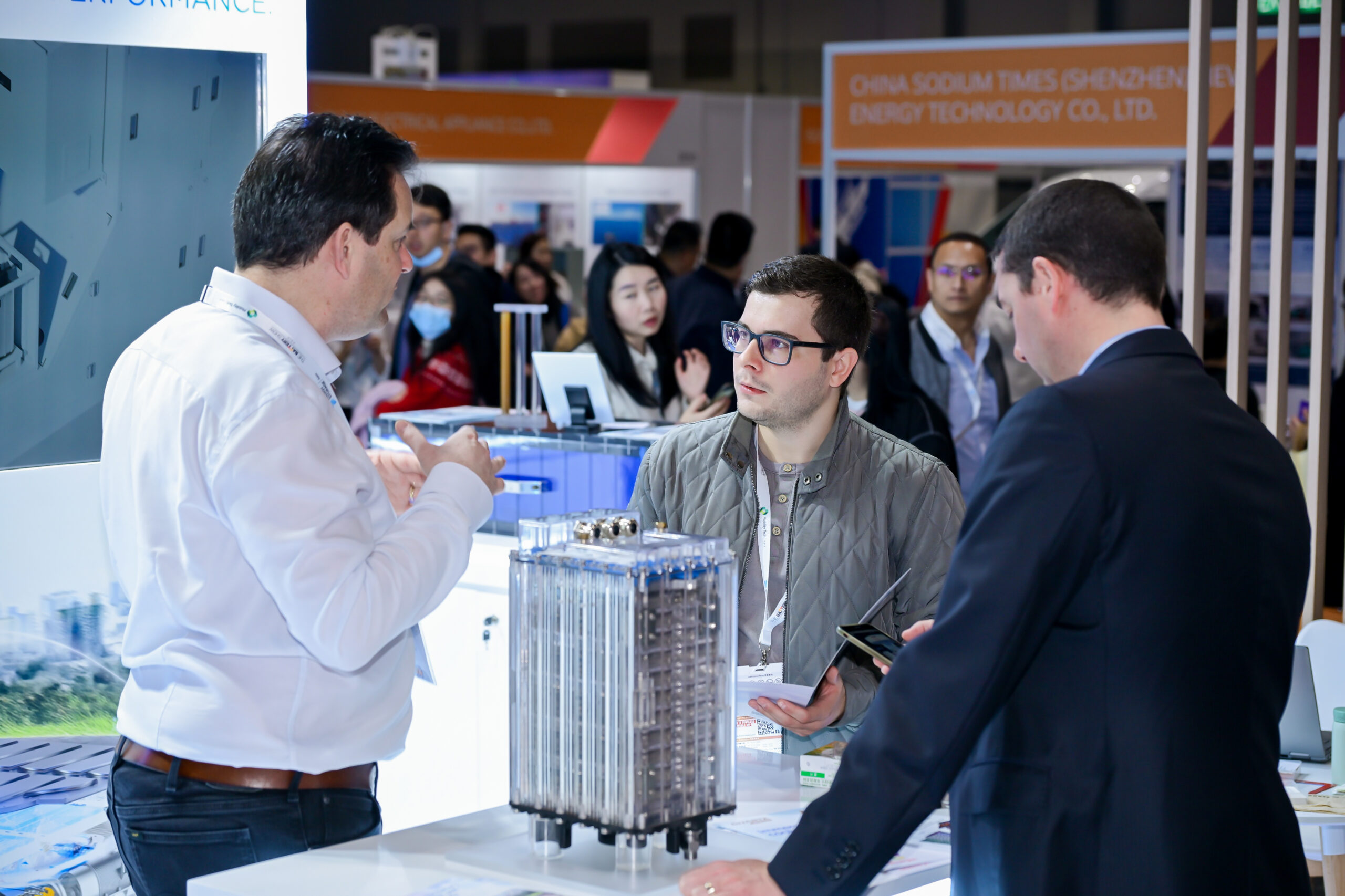
The rapid expansion of electric mobility is changing how automotive and transportation technologies are designed, integrated, and commercialized. For system integrators, the challenge is no longer limited to selecting individual components. Battery systems, power electronics, charging infrastructure, thermal management, software, and vehicle platforms must operate as one coordinated architecture.
This makes industry exhibitions increasingly valuable. A well-structured battery exhibition can provide a broader view of the technologies behind electrification while creating direct opportunities to evaluate suppliers, integration approaches, and emerging applications.
Why System Integrators Need a Broader eMobility Expo View
System integration requires visibility across multiple technical layers. An electric vehicle platform, for example, depends on coordinated battery packs, battery management systems, drive motors, inverters, thermal systems, charging equipment, and software.
The Mobility Tech Asia segment of The Battery Show Asia addresses this broader ecosystem. Its exhibitor categories include EV, HEV and PHEV technologies, electric commercial vehicles, electric two- and three-wheelers, electric vessels, eVTOL applications, charging infrastructure, battery swapping, powertrain systems, BMS, thermal management, energy management, and smart mobility technologies.
For system integrators, this cross-sector structure can make supplier discovery more efficient. Instead of evaluating technologies in isolation, engineering and procurement teams can compare how different solutions fit into a complete mobility architecture.
From Battery Technology to Complete System Architecture
Battery performance remains fundamental to electric mobility, but integration determines how effectively that performance translates into a usable vehicle or mobility system.
The 2026 edition of The Battery Show Asia brought together exhibitors across advanced battery products, battery development and supply chains, equipment and digital solutions, storage technologies, charging infrastructure, electric and hybrid power solutions, and new energy mobility OEMs.
This breadth is particularly relevant for integrators that need to evaluate interfaces between technologies. A battery supplier may offer strong cell or pack technology, but the integration team must also consider BMS communication, thermal behavior, charging compatibility, power conversion, mechanical packaging, and system-level safety.
A comprehensive battery exhibition therefore becomes more than a product showcase. It can function as a technical information hub where integrators identify potential partners and understand how different technologies are developing together.
eMobility Expo Insights for Charging and Energy Integration
Charging infrastructure is another critical integration layer. As electric mobility expands, charging equipment must interact effectively with vehicles, batteries, grids, energy management platforms, and increasingly sophisticated software systems.
Mobility Tech Asia specifically covers AC and DC charging equipment, supercharging technology, wireless charging, battery swapping stations, charging operation platforms, energy management platforms, and vehicle-to-grid technology.
For system integrators, these technologies raise practical questions. Can the charging architecture communicate with the vehicle BMS? Can charging loads be coordinated with available grid capacity? Can energy management software optimize charging behavior? Can the same architecture accommodate different vehicle platforms?
These questions demonstrate why an eMobility Expo should be evaluated from a system perspective rather than simply by the number of products displayed.
What the 2026 Event Revealed About Industry Connectivity
The 2026 edition of The Battery Show Asia, held from March 10–12 at AsiaWorld-Expo in Hong Kong, attracted 15,367 professional buyers from 103 countries and regions. International buyers represented 62.1% of the audience. More than 200 exhibitors presented over 1,000 technologies and products.
The international composition is important for system integrators working across multiple markets. Supplier qualification increasingly requires an understanding of regional technologies, manufacturing capabilities, application requirements, and potential cooperation models.
The event also welcomed more than 100 international buyer groups from Europe, North America, India, South Korea, Japan, Southeast Asia, South America, Africa, and the Middle East. This created opportunities for companies to move beyond local supplier relationships and explore international collaboration.
Conference Content Adds Value for Engineering Decisions
Exhibition floors provide direct access to products, but technical conferences can add another layer of value for system integration teams.
The Battery Show Asia 2026 delivered 147 high-level sessions featuring 132 industry leaders and technical experts. Topics covered battery developments, energy storage, e-mobility technologies, market trends, policy interpretation, industry developments, and technology breakthroughs.
For engineering leaders, this combination helps connect individual technologies with broader industry direction. Regulatory changes, charging infrastructure development, battery innovation, and new mobility applications can all affect system architecture and investment decisions.
This is particularly useful for companies planning new platforms or evaluating whether an emerging technology is mature enough for commercial deployment.
How System Integrators Can Maximize an eMobility Expo
A productive exhibition visit should begin with defined technical and commercial objectives. Engineering teams can identify required battery characteristics, voltage architectures, charging standards, communication interfaces, thermal requirements, and integration constraints before arriving.
Procurement teams can then focus on supplier capabilities, production capacity, certifications, customization options, lead times, and international service capabilities. Meanwhile, business development teams can investigate partnerships with OEMs, Tier 1 suppliers, technology companies, and infrastructure operators.
The exhibitor list can also be used before the event to prioritize meetings. The 2026 event included companies spanning battery manufacturing, mobility technologies, equipment, charging, digital solutions, and system integration, making advance planning especially valuable.
Why The Battery Show Asia Matters for Global Integration
The value of The Battery Show Asia extends beyond a conventional trade fair. Its combination of battery technologies, energy storage, mobility systems, charging infrastructure, conferences, and international business matchmaking creates an environment where system integrators can examine the complete electrification ecosystem.
The official 2026 report also highlights live demonstrations, new product launches, business networking, and international buyer engagement. These activities provide different ways for technical and commercial teams to assess technologies and potential partners.
For companies evaluating the next generation of electric mobility systems, participation in an eMobility Expo can therefore support supplier discovery, technology benchmarking, market intelligence, and partnership development.
Looking ahead, The Battery Show Asia is scheduled to return to AsiaWorld-Expo in Hong Kong from July 14–16, 2027, alongside Energy Storage & Power Asia and Mobility Tech Asia. The event is positioned around battery manufacturing, energy storage, power and energy, and new energy mobility, giving system integrators another opportunity to examine technologies across interconnected industry segments.
For system integration professionals, the key takeaway is straightforward: the most useful industry event is not necessarily the one with the largest number of individual products. It is the platform that makes relationships between technologies, suppliers, applications, and markets easier to understand. In that respect, The Battery Show Asia provides a practical environment for evaluating the increasingly interconnected architecture of electric mobility.
