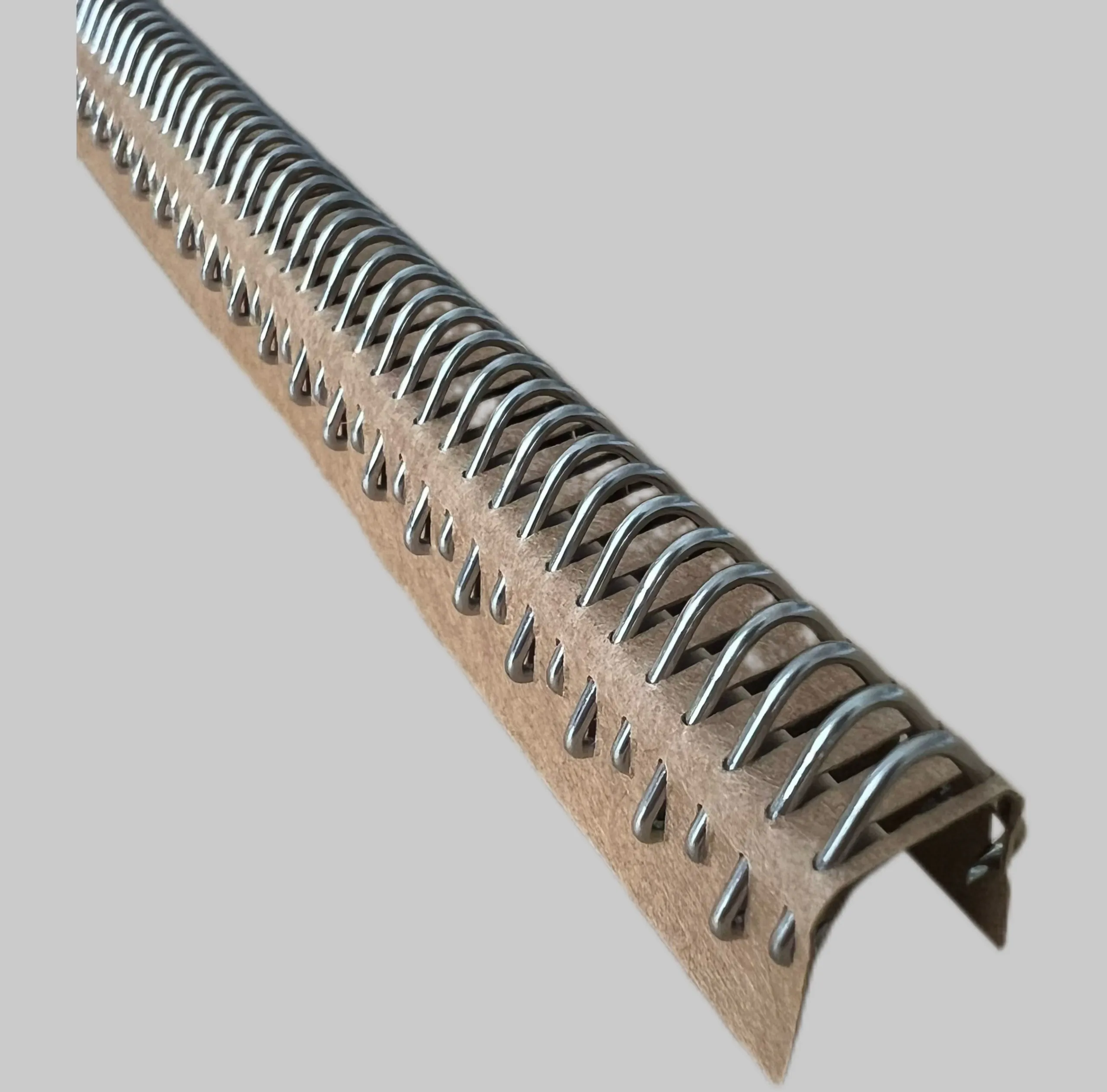
Plant managers frequently witness mechanical splice failures caused by an avoidable disconnect between storeroom purchasing and field maintenance. Purchasing departments seek competitive unit pricing and consolidated vendor lists, while millwrights demand fasteners that resist pull-out under heavy belt tension. Ignoring this mechanical gap results in sudden conveyor shutdowns, damaged belt carcasses, and elevated replacement expenses throughout operations.
Maintenance crews prioritize splice longevity, hook penetration integrity, and straightforward lacing routines during emergency belt repairs. Conversely, buyers focus on order fulfillment cycles, minimum order quantities, payment terms, and tiered pricing structures. Bridging these distinct priorities requires a dependable belt fastener manufacturer. Such a supplier must satisfy severe operational stress thresholds while also meeting corporate procurement targets and budgetary guidelines.
Selecting a qualified global fastening manufacturer transforms unpredictable belt maintenance from a reactive scramble into a predictable operational routine. Aligning mechanical engineering criteria with purchasing oversight ensures every replacement joint delivers the requisite holding force without bloating carrying costs. Evaluating potential manufacturing partners systematically protects plant conveyor infrastructure against premature carcass fatigue and costly secondary equipment damage.
Mechanical Engineering and Splice Integrity Benchmarks
Fastener longevity begins with wire metallurgy and precise dimensional tolerance across every manufacturing run. Maintenance supervisors must inspect wire hook point geometry, leg lengths, crown profiles, and raw material purity across supplied batches. Inconsistent wire diameters or poorly formed bevel points can sever internal belt warp fibers during clinch cycles, degrading carcass strength rather than securing it.
Tensile ratings must align directly with operating belt tension class and terminal pulley diameter constraints. A qualified belt fastener manufacturer provides verified mechanical load data, documenting how point penetration and clinch profiles distribute dynamic tension across the width. Reviewing these certified mechanical test records guarantees the hardware will not shear, pull out, or straighten under sudden surge loading.
Corrosion resistance profiles represent another non-negotiable metric during technical fastener reviews. Chemical washdowns, abrasive mineral dust, and persistent moisture demand tailored alloys ranging from galvanized high-tensile steel to non-magnetic 316 stainless steel. Sourcing documentation must confirm that alloy compositions match the published international ASTM or AISI standards, eliminating premature galvanic corrosion and stress cracking along working mechanical splice seams.
Tooling Ecosystem and Operational Compatibility
Splice reliability relies directly on the specialized installation machinery utilized along conveyor lines. Lacing equipment must exert uniform mechanical pressure across the entire splice width to seat wire hooks without crushing top belt covers. Maintenance leads should audit whether prospective suppliers offer durable manual roller lacers, hydraulic application heads, and reliable comb cassettes engineered for existing plant widths.
Field engineers value modular tooling systems that decrease downtime during emergency splices. Intake designs mechanical fastening solutions and dedicated application tools that allow technicians to achieve uniform clinch depth across lightweight and heavy-duty belting. These Belt Fastener Solutions help maintenance teams maintain compatibility between fastening hardware and installation equipment, reducing costly installation errors, minimizing technician fatigue during night shifts, and preserving carcass thickness along the critical joint interface.
Hinge pin selection forms the second half of installation verification. A premier global fastening manufacturer supplies matching connecting pins engineered specifically for the fastener loop profile. Evaluating available pin options—such as nylon-covered aircraft cable, armored spring wire, or solid stainless cores—ensures smooth joint articulation around terminal pulleys while resisting premature grooving from abrasive mineral particulates.
Supply Chain Resilience and Quality Documentation
Procurement specialists face constant pressure to mitigate lead time volatility and eliminate storeroom stockouts. Industrial distributors and factory buyers must evaluate vendor production capacity, raw material reserves, and warehouse safety stock policies. Partnering directly with an experienced belt fastener manufacturer provides transparent visibility into production schedules, preventing conveyor shutdowns caused by backordered fasteners, fragmented shipments, or delayed maritime containers.
Production consistency demands rigorous lot traceability from initial wire rod drawing through final packaging. Intake maintains thorough quality oversight across every manufacturing stage, ensuring dimensional repeatability across carded, welded, and continuous wire strips. Traceable batch numbers enable procurement teams to verify metallurgical integrity, streamline vendor warranty management, and reject sub-standard hardware before it enters general warehouse inventory.
Packaging protection remains an overlooked yet critical procurement benchmark during supplier assessments. Fastener strips stored in humid plant environments deteriorate rapidly if packaged in flimsy cardboard cartons. Industrial buyers should confirm that fasteners arrive in moisture-resistant containers, durable plastic tubs, or protective vapor-barrier wraps that safeguard carding paper, welded tie-wires, and leg points against rough transit handling.
Executing the Joint Supplier Audit
Facility managers should formalize their vetting process using a synchronized scoring matrix that balances technical performance with commercial viability. Maintenance supervisors evaluate joint flexibility, comb alignment, and ease of pin insertion, while purchasing agents score price stability, freight terms, and electronic ordering integration. Cross-functional scoring eliminates biased vendor selections that satisfy accounting metrics on paper but frustrate maintenance crews.
Sample evaluations reveal actual shop-floor performance before long-term purchase agreements are issued. Requesting physical trial batches allows mechanical teams to test strip retention, run destructive pull-out tests on sacrificial belt sections, and observe comb ejection performance. Intake supports this trial phase by providing comprehensive technical data sheets and engineering guidance, giving procurement personnel the empirical proof needed to authorize vendor onboarding.
Successful vendor partnerships ultimately depend on collaborative support, responsive technical communication, and predictable delivery performance. Committing to an established global fastening manufacturer ensures industrial operations obtain durable splicing hardware backed by continuous engineering expertise. Plant teams that execute this balanced checklist protect their conveyor assets, control ongoing operational expenditure, and maintain uninterrupted material flow across their processing facilities.
